As the seasons change, so too do the environmental factors that influence our health. Our bodies are constantly exposed to varying challenges, from cold winters that increase the risk of respiratory infections to the pollen-filled air of spring that exacerbates allergies. To stay resilient throughout the year, we must support our immune systems using natural methods that can help buffer these seasonal stressors. Seasonal herbs have long been used as a holistic approach to strengthening the body’s defenses, reducing susceptibility to infections, and promoting overall wellness.
In this article, we will explore a range of herbs, including how they work, evidence of their effectiveness, safe usage, and practical ways to incorporate them into your daily routines. Understanding how these herbs can modulate immune responses, provide antioxidant protection, and support detoxification pathways can help you maintain optimal health year-round.
How Seasonal Changes Affect Immunity
The Immune System’s Sensitivity to Environmental Factors
The immune system is highly sensitive to changes in the environment. Cold and dry winter air, for example, can impair mucosal immunity, which serves as a barrier to infections. During the winter months, the respiratory tract becomes more vulnerable, making it easier for pathogens like viruses and bacteria to invade. This is why winter is often the time when people are more prone to catching colds, flu, and other respiratory infections.
On the other hand, the spring and fall seasons introduce new challenges. Spring often brings allergens such as pollen, which can trigger inflammation and temporarily reduce immune efficiency. The fluctuation in temperature can also stress the body, further weakening the immune system.
Other environmental stressors, such as changes in sunlight exposure, longer or shorter days, and the onset of temperature extremes, can affect our circadian rhythms and sleep patterns, further influencing immune health. In addition, factors such as increased stress, poor diet, and limited physical activity during these transitional periods can lower the body’s ability to fend off infections.
By using seasonal herbs, you can help mitigate these seasonal challenges and provide gentle, natural support for your immune system without overstimulation.
Winter Herbs: Defending Against Cold and Flu
Winter is often synonymous with cold and flu season. The drop in temperature and the dryness in the air can leave the respiratory system more susceptible to viral and bacterial infections. Fortunately, several herbs are particularly well-suited for bolstering the immune system during the winter months. These herbs help fight off pathogens, support the immune system, and improve overall resilience.
Elderberry: A Powerful Immune Booster
Elderberry has long been used to support the immune system and is particularly popular during the winter months when cold and flu viruses are most prevalent. Elderberries are rich in flavonoids, compounds that have been shown to enhance immune cell activity and reduce the severity and duration of cold and flu symptoms. In one study conducted by Zakay-Rones et al. (2004), elderberry extract was found to significantly reduce the duration of flu symptoms.
Elderberry can be consumed as a tea, syrup, or extract, and it is especially effective when taken at the first signs of illness. Its natural antiviral properties make it an excellent addition to your winter wellness routine.
Echinacea: Enhancing Antiviral Responses
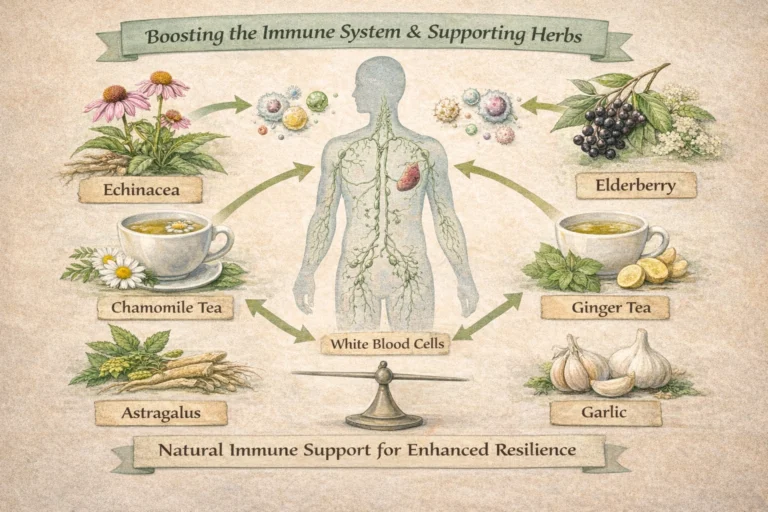
Echinacea is another well-known herb that supports immune function, especially during cold and flu season. This herb stimulates the activity of white blood cells, which are essential for fighting off infections. Echinacea has been shown to enhance the body’s antiviral responses and reduce the severity of infections.
In addition to its immune-boosting properties, echinacea has anti-inflammatory and antimicrobial effects, making it an excellent all-around herb for strengthening the body’s defenses. To use echinacea, you can brew it as a tea or take it in capsule form for a concentrated dose of immune support.
Garlic: A Natural Antimicrobial Powerhouse
Garlic has long been celebrated for its antimicrobial properties. It contains a compound called allicin, which has been shown to support the immune system by reducing the incidence of infections. Studies have shown that garlic can help prevent colds and other upper respiratory infections, especially during the winter months.
Garlic can be consumed raw, in cooking, or as a supplement. Its potent antimicrobial effects make it a valuable herb for fighting off seasonal infections and enhancing the body’s overall immune function.
Practical Use of Winter Herbs
Incorporating these herbs into your daily routine is simple and effective. Elderberry syrup is a popular choice for its ease of use and effectiveness. Echinacea tea can be brewed and sipped throughout the day, while garlic can be added to soups, stews, and stir-fries. For those who prefer supplements, many health stores offer echinacea, elderberry, and garlic capsules or tinctures, providing a concentrated dose of immune support.
Spring Herbs: Supporting Allergies and Detoxification
With the arrival of spring comes the challenge of seasonal allergies. Pollen from trees, grasses, and flowers can trigger allergic reactions, causing symptoms like sneezing, congestion, and itchy eyes. Additionally, environmental toxins in the air and water can burden the liver and other detoxification organs, reducing the body’s ability to flush out harmful substances.
Luckily, there are several herbs that can help support the immune system during spring, reduce allergy symptoms, and promote detoxification.
Astragalus: A Stress-Adaptogen for Immunity
Astragalus is a powerful adaptogenic herb known for its ability to support the immune system. It has been used for centuries in traditional Chinese medicine to help the body adapt to environmental stressors and enhance immune function. Astragalus has been shown to improve immune cell activity and help the body respond to stress more effectively.
Astragalus is particularly helpful during the spring months when the body is transitioning from the cold of winter to the warmth of spring. It can be consumed as a tea, tincture, or in capsule form to support overall immune resilience.
Nettle: Modulating Allergic Responses
Nettle is an herb rich in minerals such as iron, calcium, and magnesium, which are essential for overall health. Nettle is also known for its ability to modulate allergic responses and reduce inflammation. Studies have shown that nettle can help alleviate symptoms of hay fever and seasonal allergies by reducing the body’s inflammatory response to allergens like pollen.
Nettle can be consumed as a tea, or it can be incorporated into meals as a green herb. Its detoxifying properties also help the body eliminate toxins that accumulate during the winter months.
Dandelion: Supporting Detoxification and Liver Health
Dandelion is a powerful herb for supporting liver function and promoting detoxification. The liver plays a critical role in filtering toxins from the body, and dandelion helps improve liver efficiency by stimulating bile production. It is also a diuretic, helping to flush out excess water and waste products from the body.
In addition to its detoxifying effects, dandelion has anti-inflammatory properties that can support the immune system during allergy season. Dandelion leaves can be used in salads, while the roots can be brewed into a tea for liver support.
Practical Use of Spring Herbs
To incorporate these herbs into your routine, try adding nettle tea to your morning regimen. Astragalus can be added to soups or taken as a supplement to help adapt to seasonal stress. Dandelion greens can be added to salads, while dandelion root tea offers detoxification support.
Summer Herbs: Combating Heat Stress and Supporting Immune Balance
Summer is a time for outdoor activity and increased sun exposure, but the heat can also challenge the immune system. Dehydration, heat stress, and prolonged sun exposure can weaken immune function and leave the body more vulnerable to infections and fatigue. Fortunately, several herbs provide cooling, anti-inflammatory, and antioxidant support to help the body maintain balance during the summer months.
Ginger: Reducing Inflammation and Supporting Circulation
Ginger is a well-known herb with potent anti-inflammatory and antioxidant properties. It has been shown to improve circulation, reduce inflammation, and support immune cell function. During the summer months, ginger’s cooling effect can help regulate body temperature and reduce heat stress.
Ginger can be consumed as a tea, added to smoothies, or incorporated into cooking. It pairs well with other summer herbs like turmeric and peppermint to provide full-spectrum support for the immune system.
Turmeric: Antioxidant Protection for Immune Tissues
Turmeric, and its active compound curcumin, is widely known for its antioxidant and anti-inflammatory effects. Curcumin helps protect immune tissues from oxidative stress caused by prolonged sun exposure and heat. It has also been shown to support immune function by modulating the body’s inflammatory response.
Turmeric can be added to curries, soups, and smoothies. Turmeric lattes (also known as “golden milk”) are a popular way to enjoy the benefits of this herb during the summer months.
Peppermint: Soothing the Digestive System and Enhancing Wellness
Peppermint is a cooling herb that is often used to soothe the digestive system, reduce nausea, and support overall wellness. During the summer, peppermint can help regulate body temperature and reduce the discomfort associated with heat. It is also beneficial for maintaining digestive health, as it supports the smooth movement of food through the digestive tract.
Peppermint tea is a refreshing and cooling way to incorporate this herb into your summer routine. It can also be added to smoothies or used as a garnish for summer dishes.
Practical Use of Summer Herbs
To enjoy the benefits of summer herbs, try sipping ginger tea during the morning to boost circulation and reduce inflammation. Turmeric can be added to your summer smoothies or soups for an antioxidant boost. Peppermint tea or iced peppermint beverages are great for staying cool and refreshed on hot summer days.
Fall Herbs: Preparing for Winter and Boosting Resilience
As the weather cools and the days shorten, the immune system may weaken after the stresses of summer. Fall is the time to prepare the body for the upcoming winter months by strengthening immunity, boosting energy levels, and supporting stress resilience. Several herbs are particularly useful during this time.
Ginseng: Enhancing Energy and Immune Function
Ginseng is an adaptogenic herb that is widely used to improve energy levels, support immune function, and enhance stress resilience. Ginseng has been shown to improve the body’s response to stress and enhance the activity of immune cells, making it an excellent herb to use during the fall months to prepare for winter.
Ginseng can be taken as a tea, tincture, or in capsule form to support overall vitality.
Rosemary: Boosting Circulation and Immune Defense
Rosemary is an herb that supports circulation, which is crucial for delivering immune cells throughout the body. It also has powerful antioxidant properties that protect immune tissues from oxidative stress. Rosemary can be added to soups, stews, or used to season meats and vegetables during the fall.
Licorice Root: Supporting Respiratory Health
Licorice root is known for its ability to support respiratory health, which is essential as colder weather increases the risk of respiratory infections. Licorice has anti-inflammatory and immune-modulating properties that can help protect against seasonal irritants. It can be consumed as a tea or tincture for respiratory support.
Practical Use of Fall Herbs
To incorporate fall herbs into your routine, try adding ginseng to your morning tea or smoothies. Rosemary can be used as a seasoning in fall dishes, while licorice root tea is an excellent way to support respiratory health as the cold season approaches.
Mechanisms of Seasonal Immune Herbs
Seasonal herbs support immunity through multiple mechanisms:
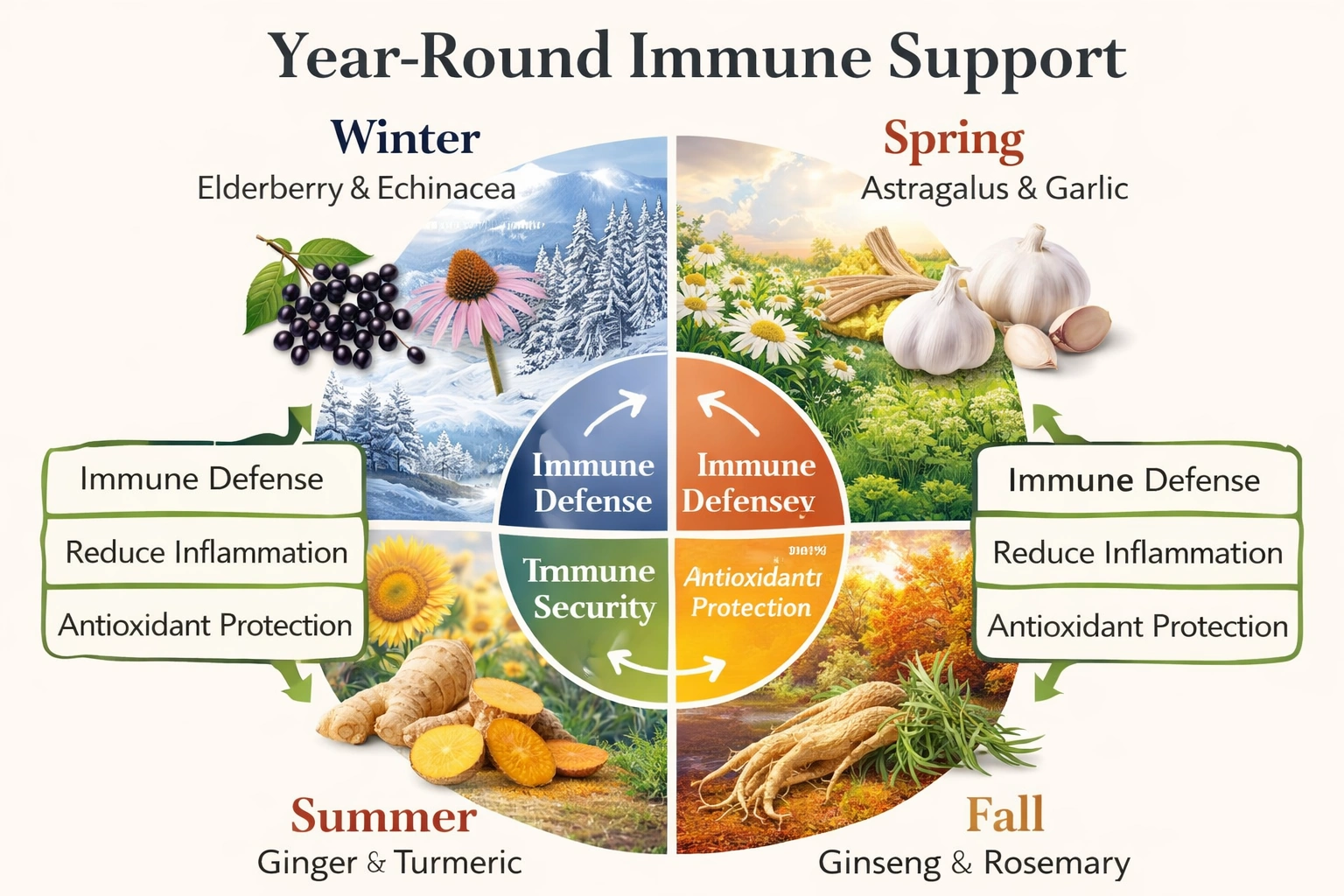
- Antiviral and antimicrobial effects: Elderberry, echinacea, and garlic enhance resistance to seasonal pathogens.
- Anti-inflammatory and antioxidant properties: Turmeric, rosemary, and ginger reduce oxidative stress and inflammation that impair immune function.
- Adaptogenic support: Astragalus and ginseng help the body respond to environmental stress, maintaining immune balance.
- Respiratory support: Licorice root and peppermint soothe mucosal tissues, protecting against seasonal irritants.
Practical Ways to Use Seasonal Herbs
- Herbal Teas: Teas made from elderberry, echinacea, nettle, or peppermint are gentle and effective.
- Tinctures and Extracts: Standardized preparations provide concentrated benefits, especially during seasonal transitions.
- Cooking and Smoothies: Turmeric, ginger, and rosemary can be incorporated into meals and beverages for year-round immune support.
- Capsules: Convenient for consistent intake when teas or cooking are impractical.
Scientific Evidence Supporting Seasonal Herbs
Studies have demonstrated the effectiveness of seasonal herbs:
- Elderberry: Reduces cold and flu duration, enhances antiviral immunity (Zakay-Rones et al., 2004).
- Echinacea: Stimulates white blood cells, supports immune defense (Shah et al., 2007).
- Astragalus: Improves immune cell activity and stress resilience (Block & Mead, 2003).
- Ginseng: Enhances resistance to infections and supports energy (Kennedy & Scholey, 2003).
- Turmeric: Anti-inflammatory and antioxidant support for immune tissues (Hewlings & Kalman, 2017).
Conclusion: Protect Your Health Year-Round with Seasonal Herbs
Seasonal herbs offer a gentle, effective approach to supporting immunity and overall wellness throughout the year. By incorporating elderberry, echinacea, astragalus, turmeric, ginseng, and other seasonally appropriate herbs, combined with healthy lifestyle practices like balanced nutrition, sleep, hydration, and stress management, individuals can maintain robust, resilient immune health. Seasonal herbs provide a natural, sustainable strategy to prevent illness, enhance vitality, and enjoy year-round wellness.
🔬 Scientific References
- Zakay-Rones, Z., Thom, E., Wollan, T., & Wadstein, J. (2004). Randomized study of the efficacy and safety of oral elderberry extract in the treatment of influenza A and B virus infections. Journal of International Medical Research, 32(2), 132–140.
- Shah, S. A., Sander, S., White, C. M., Rinaldi, M., & Coleman, C. I. (2007). Evaluation of echinacea for the prevention and treatment of the common cold: A meta-analysis. The Lancet Infectious Diseases, 7(7), 473–480.
- Block, K. I., & Mead, M. N. (2003). Immune system effects of Echinacea, ginseng, and astragalus: A review. Integrative Cancer Therapies, 2(3), 247–268.
- Kennedy, D. O., & Scholey, A. B. (2003). Ginseng: Potential for the enhancement of cognitive performance and mood. Phytotherapy Research, 17(4), 301–313.
- Hewlings, S. J., & Kalman, D. S. (2017). Curcumin: A review of its effects on human health. Foods, 6(10), 92.