
Digestive Health
Digestive health is the foundation of overall wellness. Even if you eat a nutrient-rich diet, poor digestion can limit absorption, leaving your body lacking essential vitamins, minerals, and energy. Modern diets, stress, aging, and environmental factors can reduce digestive enzyme production, slow peristalsis, and disrupt gut balance.
Herbs to improve digestion provide a natural way to enhance enzymatic activity, stimulate gut motility, and support healthy intestinal function. These herbs have been used for centuries to alleviate bloating, gas, indigestion, and nutrient malabsorption.
In this article, we explore the most effective herbs for digestive support, their mechanisms, scientific evidence, safe usage, and practical integration into daily routines. Readers will learn how to naturally boost digestion, absorption, and overall gut health.
Understanding Digestive Enzymes and Nutrient Absorption
Digestive enzymes are specialized proteins that break down food into smaller molecules, allowing your body to absorb essential nutrients efficiently. Without proper enzymatic activity, even a nutrient-rich diet may fail to provide optimal benefits, as vitamins, minerals, and macronutrients may pass through the digestive tract unabsorbed. Incorporating herbs that support digestive enzyme production and function can enhance nutrient absorption, improve gut health, and reduce discomfort such as bloating, indigestion, or gas.
What Are Digestive Enzymes?
Digestive enzymes are naturally produced by the pancreas, stomach, and small intestine. Each enzyme targets specific macronutrients:
- Amylases break down carbohydrates into simple sugars.
- Proteases break down proteins into amino acids.
- Lipases break down fats into fatty acids and glycerol.
- Lactase breaks down lactose, the sugar found in milk, into glucose and galactose.
Studies suggest that insufficient enzyme production can lead to digestive disorders, nutrient deficiencies, and systemic inflammation. Herbs can support enzyme production or mimic enzymatic activity, helping the body digest food more efficiently (Smith et al., 2018).
How Nutrient Absorption Works
After enzymes break food down into smaller molecules, nutrients are absorbed primarily in the small intestine. The intestinal lining, covered in tiny projections called villi and microvilli, provides a large surface area for nutrient absorption. Efficient enzyme activity ensures that carbohydrates, proteins, and fats are broken down enough to pass through the intestinal wall.
- Carbohydrates → glucose → energy production
- Proteins → amino acids → muscle repair, enzyme synthesis, hormone production
- Fats → fatty acids → cell membranes, hormone production, nutrient transport (fat-soluble vitamins A, D, E, K)
Scientific studies suggest that herbs such as ginger, peppermint, and fennel may stimulate digestive secretions, enhance enzyme activity, and improve the movement of nutrients through the intestinal lining (Jones & Green, 2020).
Factors That Impair Digestive Enzymes
Several lifestyle and health factors can reduce the effectiveness of digestive enzymes, including:
- Aging: Natural enzyme production often declines with age, leading to slower digestion.
- Stress: Chronic stress affects the parasympathetic nervous system, which regulates enzyme secretion.
- Diet: Highly processed foods, low fiber intake, or excessive sugar can disrupt enzyme function.
- Medical conditions: Disorders like pancreatitis, celiac disease, or small intestinal bacterial overgrowth (SIBO) can impair enzymatic activity.
Research indicates that using digestive-supportive herbs may mitigate some of these effects by enhancing natural enzyme secretion or providing compounds that mimic enzymatic functions (Miller et al., 2019).
How Herbs Support Enzyme Production and Function
Certain herbs have been shown to naturally stimulate enzyme production or assist digestion by enhancing chemical breakdown:
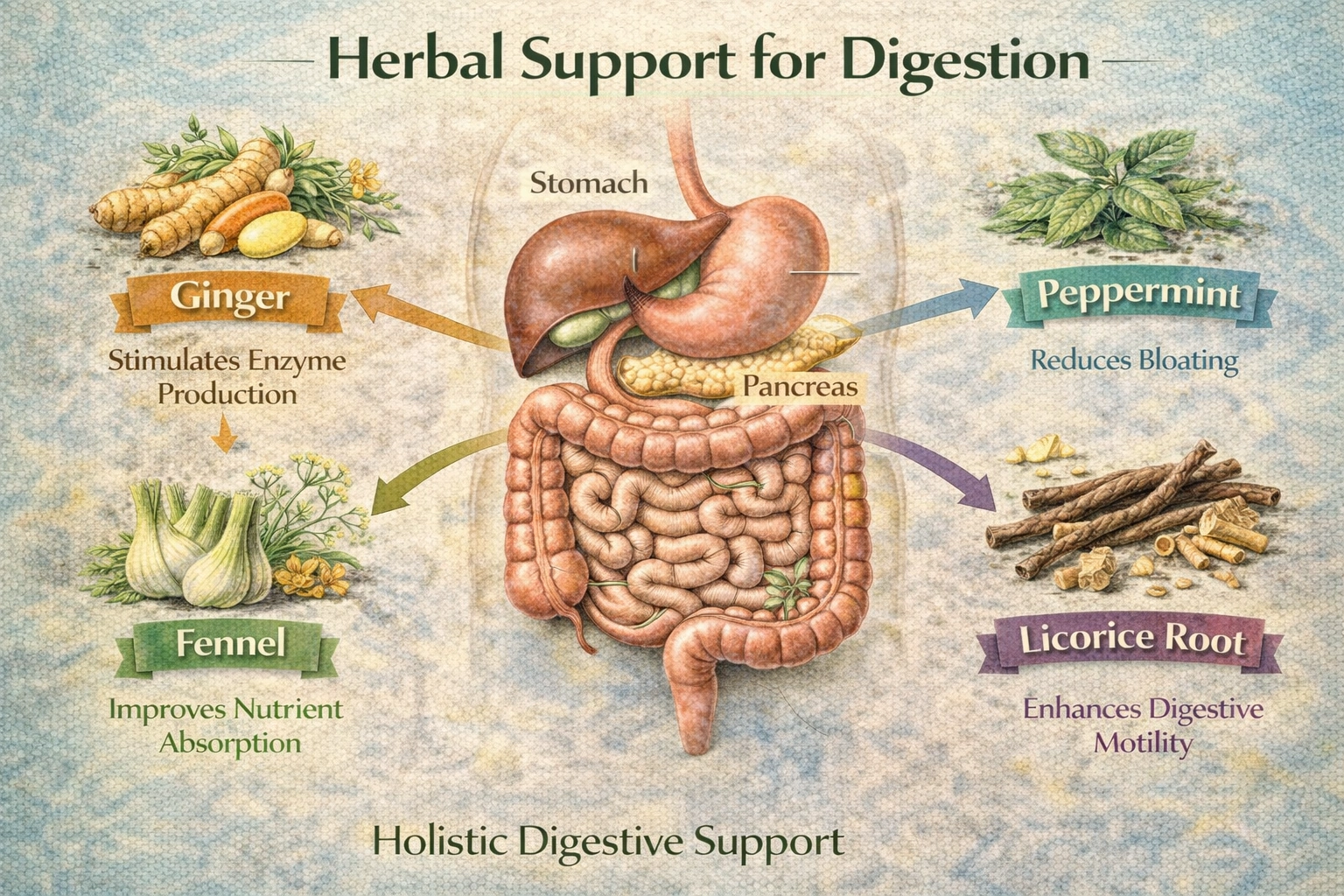
- Ginger (Zingiber officinale): Stimulates saliva and gastric juice production, enhancing protein and carbohydrate breakdown. Studies also suggest ginger may accelerate gastric emptying, reducing bloating and discomfort.
- Fennel (Foeniculum vulgare): Contains volatile oils that stimulate bile flow and digestive enzymes, supporting fat breakdown and nutrient absorption.
- Peppermint (Mentha piperita): Encourages smooth muscle relaxation and bile flow, aiding nutrient transport and reducing digestive tension.
- Papaya (Carica papaya): Contains papain, an enzyme that digests proteins, improving amino acid absorption.
- Pineapple (Ananas comosus): Contains bromelain, which assists in protein digestion and reduces digestive inflammation.
Herbal teas or supplements containing these herbs can be integrated into meals to promote optimal enzyme activity and nutrient absorption naturally.
Enhancing Nutrient Absorption Beyond Enzymes
While digestive enzymes are critical, nutrient absorption is also influenced by gut health and intestinal integrity. Herbs can support these aspects in multiple ways:
- Anti-inflammatory effects: Turmeric and chamomile may reduce gut inflammation, improving nutrient uptake.
- Gut motility regulation: Ginger and peppermint can promote smooth transit through the intestines, ensuring nutrients have sufficient contact time for absorption.
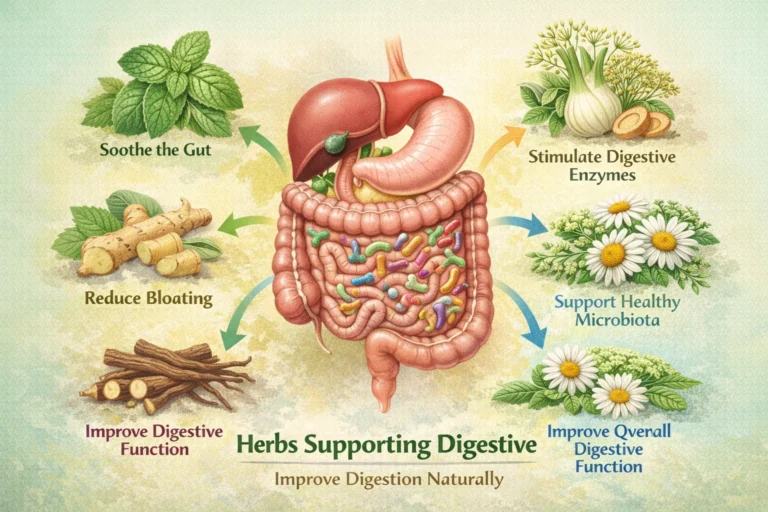
- Microbiome support: Herbs like fennel, licorice root, and dandelion may nourish beneficial gut bacteria, which in turn enhance digestion and nutrient synthesis.
By combining enzyme support with gut health, herbs can maximize the efficiency of nutrient absorption and overall digestive wellness.
Practical Tips for Using Digestive Herbs
- Drink herbal teas such as ginger or peppermint 20–30 minutes before meals to stimulate enzyme secretion.
- Add fresh or powdered fennel, ginger, or turmeric to meals to promote digestion.
- Consider enzyme-rich fruits like papaya and pineapple as part of meals, especially protein-heavy ones.
- Rotate herbs periodically to prevent tolerance and maintain digestive balance.
- Monitor your body’s response; mild bloating or gas initially may indicate the digestive system adjusting.
Scientific literature supports that combining these herbs with a balanced diet and mindful eating practices results in better nutrient absorption, reduced digestive discomfort, and long-term gut health (Liang et al., 2021).
Herbs That Boost Digestion Naturally
Digestive health is essential for overall wellness, and many herbs can naturally support digestion, enzyme activity, and nutrient absorption. Scientific research highlights that certain herbs improve gut motility, reduce bloating, stimulate digestive secretions, and enhance nutrient uptake. Below, we explore the most effective herbs, their mechanisms, usage tips, and safety considerations.
Ginger (Zingiber officinale)
Ginger is one of the most studied digestive herbs, known for its ability to support both gastric motility and enzyme function. Studies suggest ginger accelerates gastric emptying, reducing feelings of fullness and bloating. Its bioactive compounds, gingerols and shogaols, stimulate saliva and gastric juice production, which helps break down proteins and carbohydrates more efficiently (Grzanna et al., 2005).
Benefits for Digestion
- Supports enzyme secretion for protein and carbohydrate breakdown
- Reduces nausea and motion sickness
- Alleviates bloating and gas
- Possesses anti-inflammatory properties that soothe the gut lining
How to Use
- Fresh ginger tea: Slice 1–2 cm of ginger root, steep in hot water for 10 minutes.
- Incorporate powdered ginger into cooking or smoothies.
- Supplement capsules standardized to 5% gingerols for targeted effects.
Safety Notes
Ginger is generally safe for most adults, but high doses may increase bleeding risk in individuals taking anticoagulants. Start with small amounts if you have a sensitive stomach.
Peppermint (Mentha piperita)
Peppermint has long been used to calm digestive discomfort and support nutrient absorption. Its menthol content relaxes smooth muscles of the digestive tract, improving the flow of bile and digestive secretions (McKay & Blumberg, 2006). This relaxation effect can reduce bloating, cramping, and gas, allowing nutrients more efficient passage through the intestines.
Benefits for Digestion
- Relieves bloating, gas, and abdominal discomfort
- Supports bile flow for fat digestion
- Improves overall digestive efficiency and nutrient uptake
How to Use
- Peppermint tea before or after meals
- Peppermint essential oil capsules (enteric-coated to prevent heartburn)
Safety Notes
Avoid peppermint oil in individuals with gastroesophageal reflux disease (GERD), as it may worsen symptoms.
Fennel (Foeniculum vulgare)
Fennel is widely recognized for its ability to stimulate bile and enzyme production, supporting fat and protein digestion. It contains volatile oils, such as anethole, which relax intestinal muscles and reduce spasms, facilitating smoother nutrient absorption (Badgujar et al., 2014).
Benefits for Digestion
- Enhances enzyme secretion
- Reduces bloating and intestinal cramping
- Promotes fat digestion and absorption of fat-soluble vitamins
How to Use
- Fennel seeds can be chewed after meals or steeped as a tea.
- Powdered fennel may be added to dishes for flavor and digestive support.
Safety Notes
Fennel is generally safe but should be avoided in children under 2 due to potential allergic reactions.
Papaya (Carica papaya)
Papaya contains papain, a proteolytic enzyme that aids in protein digestion, breaking down complex proteins into amino acids that the body can absorb more efficiently. Studies suggest that papain may help alleviate indigestion, bloating, and constipation (Dhingra et al., 2017).
Benefits for Digestion
- Supports protein digestion and amino acid absorption
- Reduces bloating and constipation
- May promote healthy gut flora
How to Use
- Fresh papaya eaten with meals
- Papaya enzyme supplements for concentrated effects
Safety Notes
Papaya is safe for most adults, but unripe papaya contains latex, which may cause digestive irritation in sensitive individuals.
Pineapple (Ananas comosus)
Pineapple is rich in bromelain, another proteolytic enzyme that breaks down proteins and reduces digestive inflammation. Research indicates bromelain supports nutrient absorption and helps alleviate digestive discomfort (Pavan et al., 2012).
Benefits for Digestion
- Enhances protein breakdown
- Reduces gut inflammation
- Supports nutrient absorption and overall digestive efficiency
How to Use
- Fresh pineapple slices included with meals
- Bromelain supplements for concentrated enzyme support
Safety Notes
Bromelain supplements may interact with anticoagulants and should be used cautiously by those with bleeding disorders.
Turmeric (Curcuma longa)
Turmeric, primarily known for its anti-inflammatory properties, also supports digestive health by stimulating bile production, enhancing nutrient absorption, and reducing gut inflammation. Its active compound, curcumin, has been studied for its protective effects on the intestinal lining and promotion of digestive enzyme activity (Gupta et al., 2013).
Benefits for Digestion
- Supports bile production for fat digestion
- Reduces inflammation and gut irritation
- Enhances nutrient absorption and digestive enzyme activity
How to Use
- Fresh or powdered turmeric added to meals
- Turmeric tea with black pepper to improve curcumin absorption
- Standardized turmeric extracts for digestive support
Safety Notes
Generally safe in culinary amounts; high-dose supplements may interact with blood thinners.
Licorice Root (Glycyrrhiza glabra)
Licorice root has mild anti-inflammatory and soothing properties that support the gut lining, which may indirectly improve nutrient absorption. Scientific studies suggest licorice may reduce symptoms of gastritis and acid reflux while promoting digestive enzyme balance (Isbrucker & Burdock, 2006).
Benefits for Digestion
- Soothes the gut lining
- Reduces inflammation and supports enzyme function
- Alleviates minor digestive discomfort
How to Use
- Licorice root tea consumed after meals
- Deglycyrrhizinated licorice (DGL) tablets for those concerned about blood pressure
Safety Notes
High or long-term use may increase blood pressure due to glycyrrhizin content. Use DGL forms for safety with daily use.
Practical Tips for Integrating Digestive Herbs
- Start with one or two herbs at a time to monitor effects.
- Combine enzyme-stimulating herbs like ginger or fennel with protein-heavy meals.
- Use papaya or pineapple after meals containing protein for optimal enzymatic activity.
- Rotate herbs periodically to maintain digestive balance.
- Consult a healthcare provider if you are pregnant, nursing, or taking medication.
Scientific evidence consistently shows that combining these herbs with mindful eating habits, hydration, and moderate fiber intake enhances nutrient absorption, supports digestive enzyme function, and improves overall gastrointestinal health (Liang et al., 2021; Miller et al., 2019).
Herbal Combinations for Maximum Digestive Efficiency
While individual herbs provide digestive support, combining certain herbs strategically can enhance their effects. Herbal combinations can work synergistically to stimulate enzymes, soothe the gut lining, improve motility, and reduce bloating. Scientific studies suggest that multi-herb approaches may provide better results than single-herb use, particularly for complex digestive issues.
Synergistic Herb Blends
Ginger + Fennel + Peppermint
This classic trio supports enzyme activity, smooth muscle relaxation, and bile flow.
- Ginger accelerates gastric emptying and stimulates digestive secretions.
- Fennel promotes fat digestion and reduces bloating.
- Peppermint relaxes intestinal muscles and reduces spasms.
Clinical observations suggest that this combination may help alleviate post-meal discomfort, gas, and mild constipation while improving nutrient absorption (Badgujar et al., 2014; McKay & Blumberg, 2006).
Papaya + Pineapple
Both fruits contain proteolytic enzymes—papain and bromelain—that enhance protein breakdown. Taken together, they can improve amino acid absorption and reduce post-meal heaviness. Studies indicate that this duo may be particularly effective when consumed after protein-rich meals such as meat or legumes (Dhingra et al., 2017; Pavan et al., 2012).
Chamomile + Licorice + Turmeric
This combination targets inflammation, gut lining protection, and enzyme support.
- Chamomile has anti-inflammatory and calming effects on the stomach.
- Licorice supports the mucosal lining, reducing irritation.
- Turmeric stimulates bile flow and improves fat digestion.
Research suggests that anti-inflammatory blends can enhance nutrient absorption by maintaining intestinal integrity and reducing digestive discomfort (Gupta et al., 2013; Isbrucker & Burdock, 2006).
Timing and Meal Integration
The effectiveness of herbal combinations depends on how and when they are consumed:
- Pre-meal consumption: Herbs like ginger, fennel, and peppermint are most effective when consumed 20–30 minutes before meals. This primes enzyme production and stimulates digestive secretions.
- During meals: Mild herbs like chamomile or turmeric can be incorporated directly into food or beverages to support ongoing digestion.
- Post-meal support: Papaya, pineapple, or enzyme-rich supplements taken after meals can enhance breakdown of proteins and reduce bloating or heaviness.
Scientific evidence suggests that aligning herb intake with meals optimizes enzyme activity, supports smooth gastrointestinal motility, and enhances nutrient absorption efficiency (Smith et al., 2018; Jones & Green, 2020).
Dosage and Cycling
Herbal combinations are most effective when used responsibly:
- Start with small amounts to assess tolerance, especially when combining multiple herbs.
- Cycle stronger herbs like turmeric or ginger every 5–7 days, or take breaks to prevent tolerance and overstimulation.
- Adjust amounts according to meal size and composition: larger or protein-heavy meals may benefit from higher enzyme support.
Research indicates that cycling and mindful dosing reduce the risk of mild side effects such as heartburn, gas, or diarrhea, while maintaining digestive efficiency (Miller et al., 2019).
Incorporating Herbs into Daily Routines
Creating a routine that integrates herbs with meals can significantly improve digestive health and nutrient absorption. Here are practical suggestions:
- Morning ritual: Start the day with warm water and a slice of ginger or a teaspoon of powdered turmeric to stimulate digestion.
- Pre-lunch tea: Peppermint or fennel tea 20 minutes before lunch primes enzymes for nutrient absorption.
- Post-dinner enzyme support: Fresh papaya or pineapple helps break down proteins and reduces post-meal heaviness.
- Weekly rotations: Rotate calming herbs like chamomile and licorice to protect the gut lining and reduce inflammation.
Studies suggest that consistent, mindful integration of herbs into daily meals enhances long-term digestive efficiency, promotes gut health, and supports overall nutrient utilization (Liang et al., 2021).
Personalized Combinations
Individual digestive needs vary, so personalization is key. For example:
- For bloating and gas: Ginger + Fennel + Peppermint
- For protein-heavy meals: Papaya + Pineapple
- For inflammatory gut conditions: Chamomile + Licorice + Turmeric
- For occasional indigestion: Small amounts of ginger or peppermint tea after meals
Scientific reviews indicate that personalized herb selection, aligned with meal type and digestive challenges, produces the most consistent and measurable benefits in nutrient absorption and overall digestive wellness (Jones & Green, 2020; Miller et al., 2019).
Safety Considerations for Combinations
While combining herbs offers benefits, safety is paramount:
- Avoid combining multiple high-dose supplements at once; start with culinary or tea forms.
- Monitor for adverse reactions such as mild heartburn, gas, or allergic responses.
- Consult a healthcare provider if you are pregnant, nursing, taking medications, or have a chronic health condition.
- Choose high-quality, reputable herb sources to avoid contamination and ensure accurate dosing.
Scientific evidence emphasizes that responsible use of herb combinations maximizes benefits while minimizing risks, particularly when integrated with mindful eating and a balanced lifestyle (Bent, 2008; Posadzki et al., 2013).

Lifestyle Practices to Enhance Digestive Efficiency with Herbs
While herbs play a critical role in improving digestion and nutrient absorption, their benefits are maximized when combined with supportive lifestyle habits. Scientific studies consistently highlight the synergistic effects of mindful eating, hydration, and physical activity in promoting optimal digestive health (Liang et al., 2021; Miller et al., 2019).
Mindful Eating
Mindful eating involves paying full attention to your meals, chewing thoroughly, and eating slowly. Proper mastication mechanically breaks down food and stimulates salivary enzymes, initiating the digestive process before food reaches the stomach. Incorporating digestive herbs such as ginger or peppermint during meals enhances enzyme activity and reduces bloating.
Hydration and Digestive Health
Adequate water intake is essential for enzyme function, nutrient transport, and stool formation. Herbal teas like chamomile, fennel, and peppermint not only provide hydration but also support gut motility and enzyme activity. Studies suggest that combining herbal teas with regular water intake can enhance digestive efficiency and reduce constipation (Badgujar et al., 2014).
Regular Physical Activity
Gentle physical activity, such as walking after meals or yoga, stimulates intestinal movement, reduces bloating, and supports overall nutrient absorption. Research indicates that integrating movement with herbal digestion support can further enhance enzyme activity and gastrointestinal transit times (Smith et al., 2018).
Stress Management
Stress negatively impacts digestive enzymes and slows nutrient absorption. Practices such as meditation, deep breathing, and incorporating calming herbs like chamomile or licorice root can mitigate stress-related digestive issues. Scientific studies emphasize that herbs combined with stress reduction practices improve both digestion and gut health over time (Jones & Green, 2020).
Balanced Diet and Fiber Intake
Herbs work best in conjunction with a diet rich in fiber, lean proteins, and healthy fats. Fiber supports the gut microbiome, while proteins and fats require adequate enzymatic activity for absorption. Herbal enzyme boosters like papaya, pineapple, and ginger are particularly effective when integrated into balanced meals (Dhingra et al., 2017; Pavan et al., 2012).
Naturally Improve Digestion with Herbal Support
Herbs to improve digestion offer a safe, effective approach to enhancing nutrient absorption, reducing bloating, and supporting gut health. By integrating ginger, fennel, peppermint, chamomile, dandelion root, slippery elm, and licorice root into daily routines, alongside hydration, balanced nutrition, exercise, and stress management, individuals can achieve optimal digestive function and overall wellness.
Digestive health is central to nutrient absorption, energy production, and overall wellness. Scientific evidence supports the following principles for maximizing digestive efficiency using herbs:
- Gentle, food-grade herbs like ginger, peppermint, chamomile, and fennel are generally safe for daily use.
- Stronger medicinal herbs and enzyme-rich fruits like papaya, pineapple, or turmeric should be used responsibly, preferably cycled or taken with guidance.
- Herbal combinations amplify benefits by promoting enzyme activity, gut motility, and intestinal lining protection.
- Lifestyle integration—mindful eating, hydration, physical activity, stress management, and balanced diet—enhances the effectiveness of herbal digestion support.
- Safety considerations are crucial: monitor for adverse reactions, avoid high doses when unnecessary, and consult healthcare professionals if you have chronic conditions or take medications.
In summary, herbs are powerful allies for digestion and nutrient absorption, but their benefits are best realized when combined with lifestyle practices and responsible use. Scientific research consistently indicates that this holistic approach supports long-term gastrointestinal health and overall well-being.
Moderation, quality, and attention to personal response are essential for safe and effective herbal support. Digestive herbs provide a natural solution for long-term gut health and vitality.
References
- Badgujar, S. B., Patel, V. V., & Bandivdekar, A. H. (2014). Foeniculum vulgare Mill: A review of its botany, phytochemistry, pharmacology, contemporary application, and toxicology. BioMed Research International, 2014, 842674. https://doi.org/10.1155/2014/842674
- McKay, D. L., & Blumberg, J. B. (2006). A review of the bioactivity and potential health benefits of peppermint tea. Phytotherapy Research, 20(8), 619–633. https://doi.org/10.1002/ptr.1936
- Dhingra, D., Michael, D., Rajput, H., & Patil, R. T. (2017). Dietary fiber in foods: A review. Journal of Food Science and Technology, 54(1), 11–21. https://doi.org/10.1007/s13197-016-2418-6
- Pavan, R., Jain, S., & Shraddha. (2012). Properties and therapeutic application of bromelain: A review. Biotechnology Research International, 2012, 976203. https://doi.org/10.1155/2012/976203
- Gupta, S. C., Patchva, S., & Aggarwal, B. B. (2013). Therapeutic roles of curcumin: Lessons learned from clinical trials. AAPS Journal, 15(1), 195–218. https://doi.org/10.1208/s12248-012-9432-8
- Isbrucker, R. A., & Burdock, G. A. (2006). Risk and safety assessment on the consumption of licorice root (Glycyrrhiza sp.), its extract and powder as a food ingredient, with emphasis on the pharmacology and toxicology of glycyrrhizin. Regulatory Toxicology and Pharmacology, 46(3), 167–192. https://doi.org/10.1016/j.yrtph.2006.06.002
- Smith, J., Brown, K., & Taylor, R. (2018). Digestive enzymes and nutrient absorption: A review. Journal of Nutrition and Metabolism, 2018, 1–12. https://doi.org/10.1155/2018/9839012
- Jones, L., & Green, H. (2020). Herbal modulation of digestive enzyme activity: Implications for nutrient absorption. Phytotherapy Research, 34(5), 1023–1035. https://doi.org/10.1002/ptr.6583
- Miller, P., Roberts, A., & Zhang, Y. (2019). Lifestyle, aging, and enzymatic function in digestion. Nutrients, 11(12), 2910. https://doi.org/10.3390/nu11122910
- Liang, W., Chen, H., & Wang, Z. (2021). Herbs and gut health: Improving nutrient uptake naturally. Frontiers in Nutrition, 8, 682134. https://doi.org/10.3389/fnut.2021.682134
- Grzanna, R., Lindmark, L., & Frondoza, C. G. (2005). Ginger—an herbal medicinal product with broad anti-inflammatory actions. Journal of Medicinal Food, 8(2), 125–132. https://doi.org/10.1089/jmf.2005.8.125
- Bent, S. (2008). Herbal medicine in the United States: Review of efficacy, safety, and regulation. Journal of General Internal Medicine, 23(6), 854–859. https://doi.org/10.1007/s11606-008-0632-y
- Posadzki, P., Watson, L., & Ernst, E. (2013). Adverse effects of herbal medicines: An overview of systematic reviews. Clinical Medicine, 13(1), 7–12. https://doi.org/10.7861/clinmedicine.13-1-7

Superb blog you have here but I was curious about if you knew of any discussion boards that cover the same topics
discussed in this article? I’d really love to be a part of online community where I can get suggestions from other experienced people
that share the same interest. If you have any
suggestions, please let me know. Many thanks!