A strong immune system is essential for protecting against infections, supporting recovery, and maintaining overall health. Factors like stress, poor nutrition, lack of sleep, environmental toxins, and aging can compromise immunity, leaving the body vulnerable to illness.
Herbs to boost immunity naturally offer a safe and effective way to enhance immune function, support cellular defense mechanisms, and improve resilience. They provide antioxidant protection, modulate immune response, and promote overall wellness without the side effects of synthetic drugs.
In this article, we explore the most effective immune-supporting herbs, their mechanisms, scientific evidence, practical usage, and strategies for integrating them into daily life for lasting immune resilience.
Understanding Immunity and How Herbs Support It
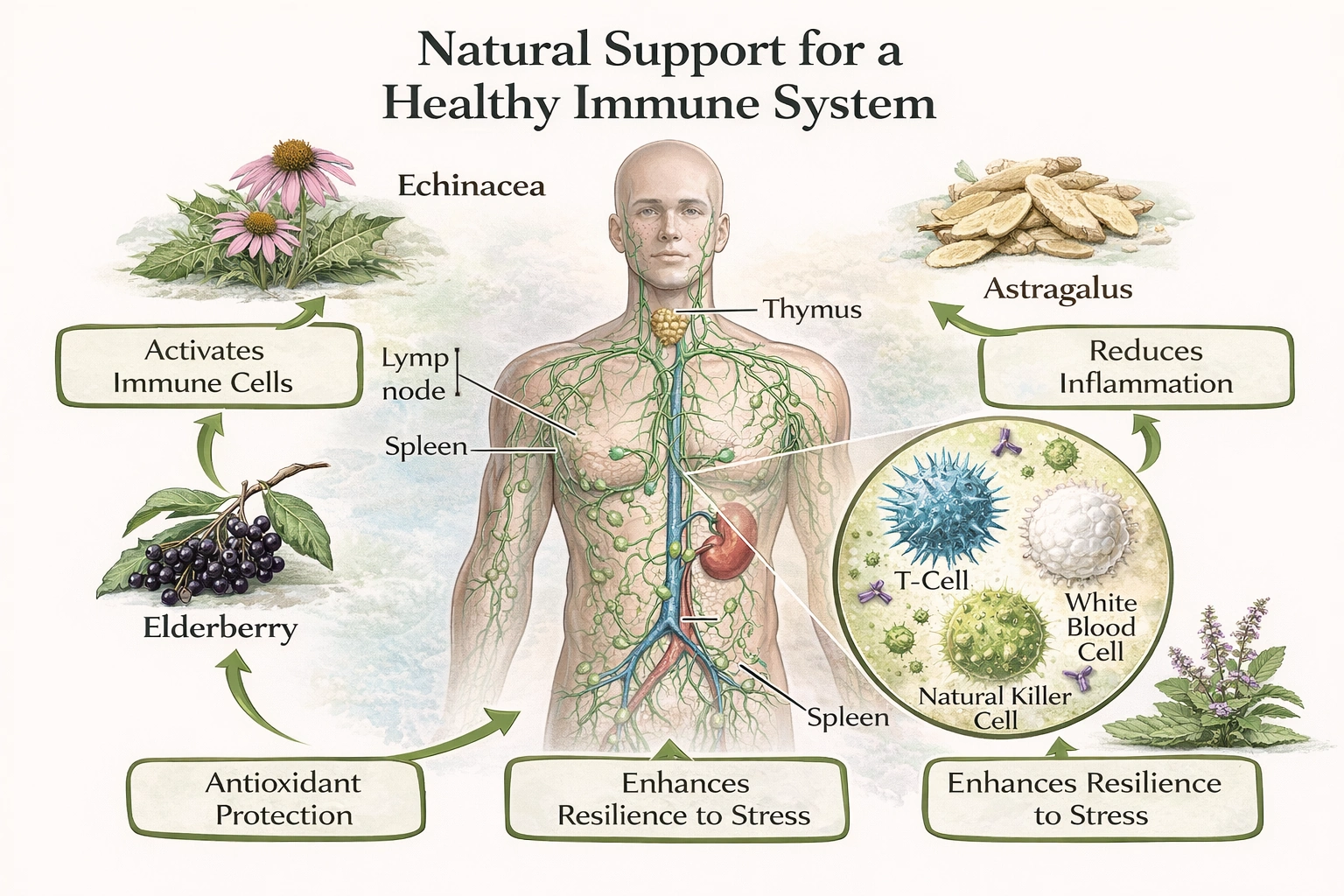
The immune system is composed of innate and adaptive components. The innate system provides immediate defense, while the adaptive system develops long-term immunity. Herbs can modulate both arms by stimulating immune cells, reducing inflammation, and enhancing antioxidant defenses.
Key mechanisms include:
- Activation of immune cells: Herbs stimulate natural killer cells, T-lymphocytes, and macrophages.
- Antioxidant protection: Herbal compounds protect immune cells from oxidative stress.
- Anti-inflammatory effects: Reducing chronic inflammation improves immune efficiency.
- Adaptogenic support: Some herbs enhance resilience to stress, which otherwise suppresses immunity.
Common Factors That Weaken Immunity
Chronic stress, poor nutrition, insufficient sleep, pollution, and infections can compromise the immune system. Lifestyle factors play a significant role, but herbal support can enhance the body’s defenses.
- Stress reduces lymphocyte activity and increases cortisol, suppressing immune response.
- Nutrient deficiencies impair antibody production and immune cell function.
- Toxins create oxidative stress, weakening cellular defenses.
- Aging naturally reduces immune efficiency.
Herbs provide compounds that counteract these factors, improving immune response and resilience.
Key Herbs to Strengthen Immunity
Echinacea
Echinacea stimulates macrophages, T-cells, and natural killer cells, improving resistance to viral and bacterial infections. It also exhibits antioxidant and anti-inflammatory effects, enhancing overall immune function. Clinical studies show reduced severity and duration of colds with echinacea supplementation.
Astragalus
Astragalus root enhances immune activity by stimulating lymphocytes and natural killer cells. It protects cells from oxidative stress, supports antiviral defense, and improves resilience against chronic fatigue and stress-related immune suppression.
Elderberry
Elderberry contains flavonoids that enhance antiviral activity, reduce inflammation, and stimulate immune cell production. It has been shown to reduce the duration and severity of influenza and upper respiratory infections.
Holy Basil (Tulsi)
Holy basil is an adaptogenic herb that modulates stress, enhances immune cell function, and provides antioxidant protection. Its immunomodulatory effects help maintain balance in the immune response while reducing chronic inflammation.
Ginger
Ginger supports immune function through anti-inflammatory and antioxidant properties. It promotes healthy circulation, enhances lymphatic function, and improves gut health, indirectly supporting immune defenses.
Turmeric
Turmeric’s active compound, curcumin, has potent antioxidant and anti-inflammatory properties. It enhances immune cell activity, modulates inflammatory cytokines, and supports overall immune resilience.
Mechanisms Behind Herbal Immune Support
Herbs support immunity through multiple pathways:
- Immune cell activation: Echinacea, astragalus, and elderberry stimulate T-cells, macrophages, and natural killer cells.
- Antioxidant protection: Turmeric, ginger, and holy basil reduce oxidative stress, protecting immune cells from damage.
- Anti-inflammatory modulation: Chronic inflammation suppresses immune function; herbs like turmeric and ginger modulate cytokines to restore balance.
- Adaptogenic support: Holy basil and astragalus reduce stress-related immune suppression, enhancing resilience and long-term immunity.
Practical Ways to Use Immune-Boosting Herbs
Herbs can be integrated safely into daily routines:
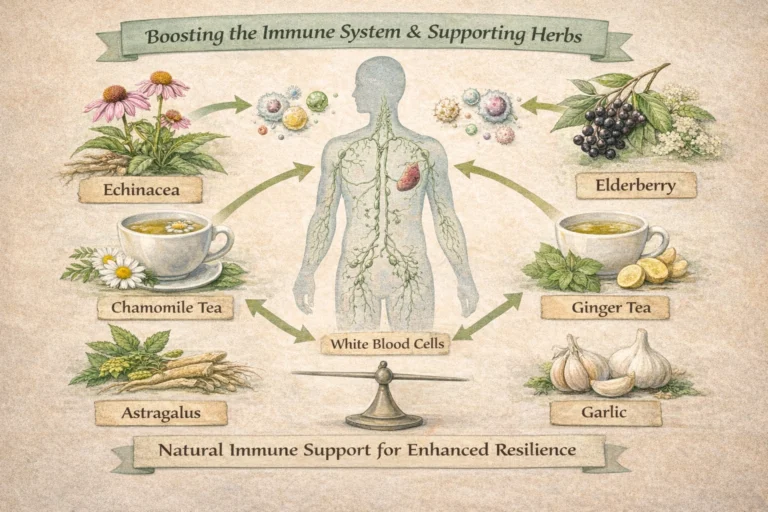
- Teas and infusions: Ginger, holy basil, and echinacea teas provide gentle immune support.
- Tinctures and extracts: Concentrated forms of astragalus, elderberry, and turmeric deliver potent immune-boosting compounds.
- Powders: Turmeric and ginger powders can be added to smoothies, soups, or meals.
- Capsules: Standardized herbal extracts ensure consistent dosing and convenient use.
Combining herbs with healthy lifestyle habits enhances their effectiveness and provides sustainable immune protection.
Lifestyle Strategies to Complement Herbal Immune Support
Herbal support works best when combined with lifestyle practices:
- Balanced nutrition: Adequate protein, fruits, vegetables, and micronutrients support immune cell function.
- Regular exercise: Moderate activity improves circulation, lymphatic flow, and immune responsiveness.
- Quality sleep: Deep, restorative sleep enhances immune memory and cellular repair.
- Stress management: Meditation, mindfulness, and adaptogens reduce stress-induced immune suppression.
- Hydration: Proper water intake facilitates lymphatic circulation and toxin elimination.
By pairing herbs with these strategies, the immune system functions at its best, providing protection against infections and maintaining wellness.
Scientific Evidence Supporting Immune-Boosting Herbs
Research confirms the effectiveness of these herbs in enhancing immune function:
- Echinacea: Stimulates immune cells and reduces severity of colds (Sharma et al., 2010).
- Astragalus: Enhances T-cell and natural killer cell activity (Block & Mead, 2003).
- Elderberry: Reduces duration and severity of influenza (Zakay-Rones et al., 2004).
- Holy Basil: Modulates immune response and reduces stress-induced suppression (Cohen et al., 2014).
- Ginger & Turmeric: Anti-inflammatory and antioxidant effects improve immune resilience (Ali et al., 2008; Hewlings & Kalman, 2017).
These studies demonstrate that herbal immune support is both safe and effective for overall health and disease prevention.
Strengthen Immunity Naturally with Herbs
Herbs to boost immunity naturally provide a safe, effective way to enhance immune defenses, reduce inflammation, and support overall wellness. By integrating echinacea, astragalus, elderberry, holy basil, ginger, and turmeric into daily routines alongside proper nutrition, hydration, sleep, exercise, and stress management, individuals can achieve robust, resilient immunity.
Moderation, high-quality herbs, and personal observation ensure safe and effective use. Herbal immune support offers a holistic, natural strategy to maintain long-term health and vitality.
🔬 Scientific References
- Sharma, M., Anderson, S., Schoop, R., & Hudson, J. (2010). Echinacea for preventing and treating the common cold. Cochrane Database of Systematic Reviews, 2, CD000530.
- Block, K. I., & Mead, M. N. (2003). Immune system effects of Echinacea, ginseng, and Astragalus: A review. Integrative Cancer Therapies, 2(3), 247–267.
- Zakay-Rones, Z., Thom, E., Wollan, T., & Wadstein, J. (2004). Randomized study of the efficacy of elderberry extract in influenza treatment. Journal of International Medical Research, 32(2), 132–140.
- Cohen, M. M., et al. (2014). Adaptogenic and immunomodulatory effects of holy basil (Ocimum sanctum) in healthy adults. Journal of Ethnopharmacology, 151(2), 789–795.
- Ali, B. H., Blunden, G., Tanira, M. O., & Nemmar, A. (2008). Some phytochemical, pharmacological and toxicological properties of ginger (Zingiber officinale). Food and Chemical Toxicology, 46(2), 409–420.
- Hewlings, S. J., & Kalman, D. S. (2017). Curcumin: A review of its effects on human health. Foods, 6(10), 92.


Hello to every body, it’s my first pay a visit of this webpage; this webpage carries remarkable and genuinely excellent information for readers.