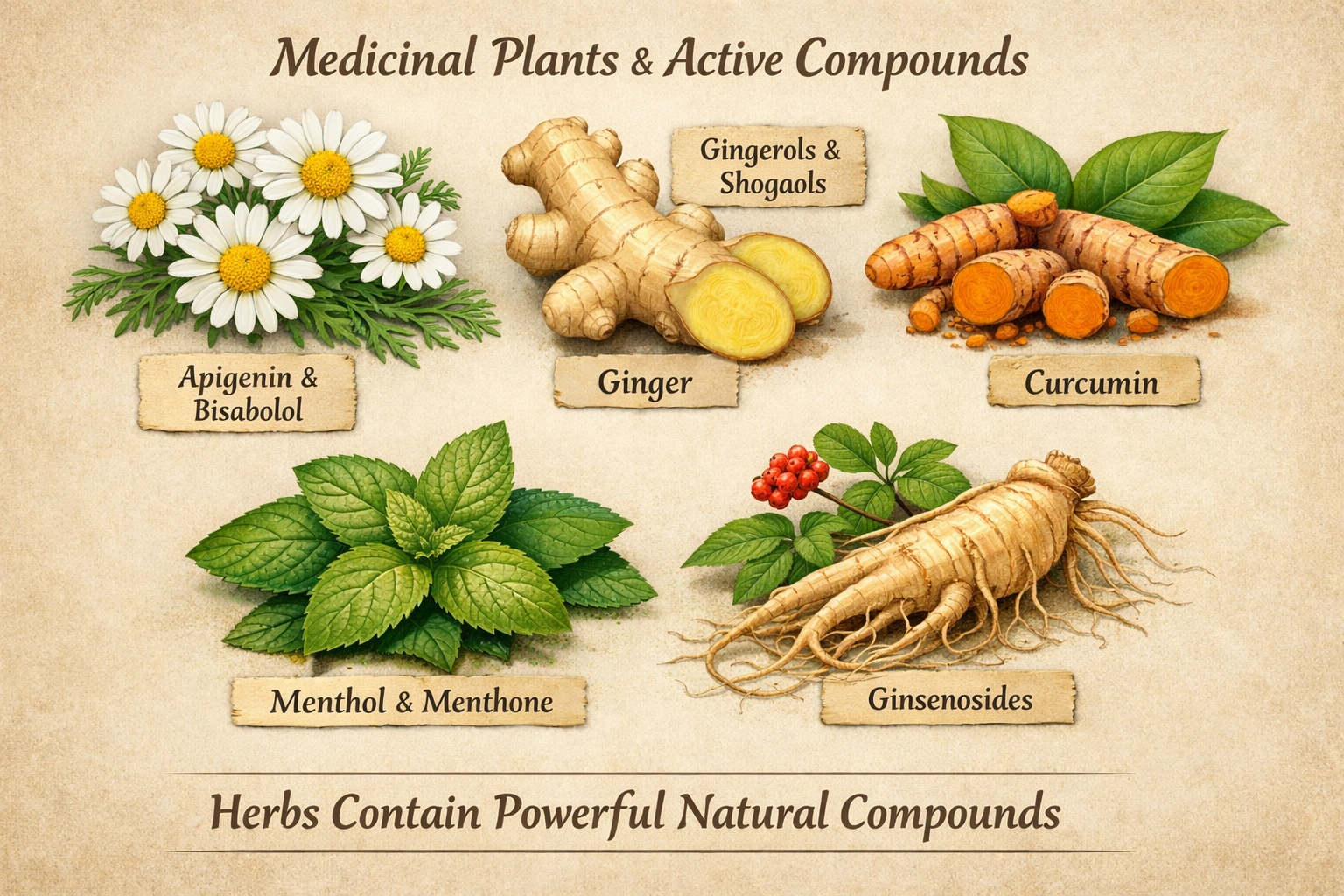
Herbs have been part of human health practices for thousands of years. Long before modern medicine existed, plants were used to soothe pain, support digestion, strengthen immunity, and promote overall well-being. Today, herbal teas, capsules, powders, and extracts are widely available and often marketed as natural alternatives to pharmaceutical drugs.
But despite their popularity, a fundamental and often overlooked question remains: are herbs safe, especially when used regularly or daily?
Many people assume that because herbs are natural, they are automatically harmless. This assumption, however, can be misleading. Nature produces both healing remedies and powerful toxins, and medicinal herbs exist somewhere in between. Understanding where safety ends and risk begins is essential for anyone interested in herbal wellness.
This article explores what modern science says about herbal safety, daily use, potential risks, and best practices. The goal is not to discourage herbal use, but to promote informed, responsible, and evidence-based decisions.
Why the Idea That “Natural Means Safe” Is Incomplete
The belief that natural substances are inherently safe is deeply rooted in modern wellness culture. While it is true that many herbs are gentler than synthetic drugs, this does not mean they are biologically inactive or risk-free.
Natural substances such as caffeine, nicotine, digitalis, and morphine all come from plants, yet their effects on the body can be powerful and, in some cases, dangerous. Medicinal herbs also contain bioactive compounds that interact with enzymes, hormones, neurotransmitters, and metabolic pathways.
The real question, therefore, is not whether herbs are natural, but how they are used, in what form, at what dose, and by whom. Safety depends on context, not origin.
How Medicinal Herbs Affect the Human Body
Medicinal herbs work because they contain complex mixtures of chemical compounds. These compounds evolved as defense mechanisms in plants but can produce beneficial effects in humans when used appropriately.
Herbs may influence the body by supporting digestion, modulating inflammation, enhancing immune response, calming the nervous system, or aiding detoxification processes. Unlike most pharmaceutical drugs, which target a single pathway, herbs tend to act more gently and holistically through multiple mechanisms at once.
This multi-compound nature is one reason why herbs are often well tolerated. However, it also explains why misuse, excessive dosing, or combining multiple strong herbs can lead to unexpected effects.
How herbs work in the human body
Herbs exert their effects through complex mixtures of chemical compounds, including alkaloids, flavonoids, terpenes, glycosides, and polyphenols. These compounds interact with the body’s biochemical pathways in ways that can influence digestion, inflammation, immunity, mood, hormone regulation, and energy metabolism.
Unlike pharmaceutical drugs, which are typically designed to target a specific receptor or pathway, herbs often act more broadly. This multi-target action is one reason herbs are valued in traditional medicine systems, but it is also why their effects can be unpredictable when used improperly.
Some herbs stimulate physiological processes, such as increasing bile production or enhancing circulation. Others calm or suppress activity, such as sedative herbs that affect neurotransmitters involved in sleep and anxiety. When these effects are mild and balanced, herbs can support health. When they are too strong or prolonged, they can disrupt the body’s natural equilibrium.
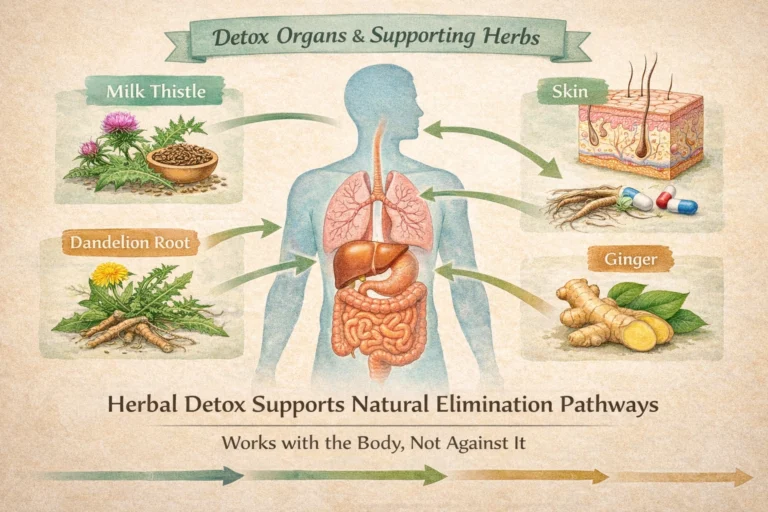
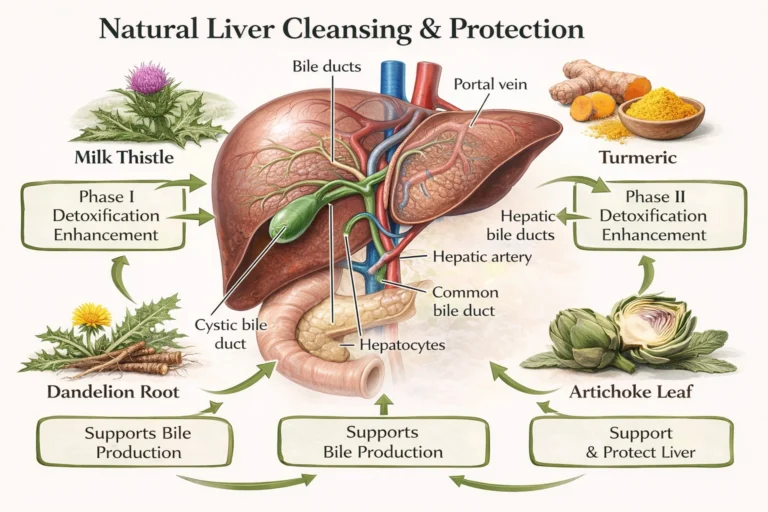
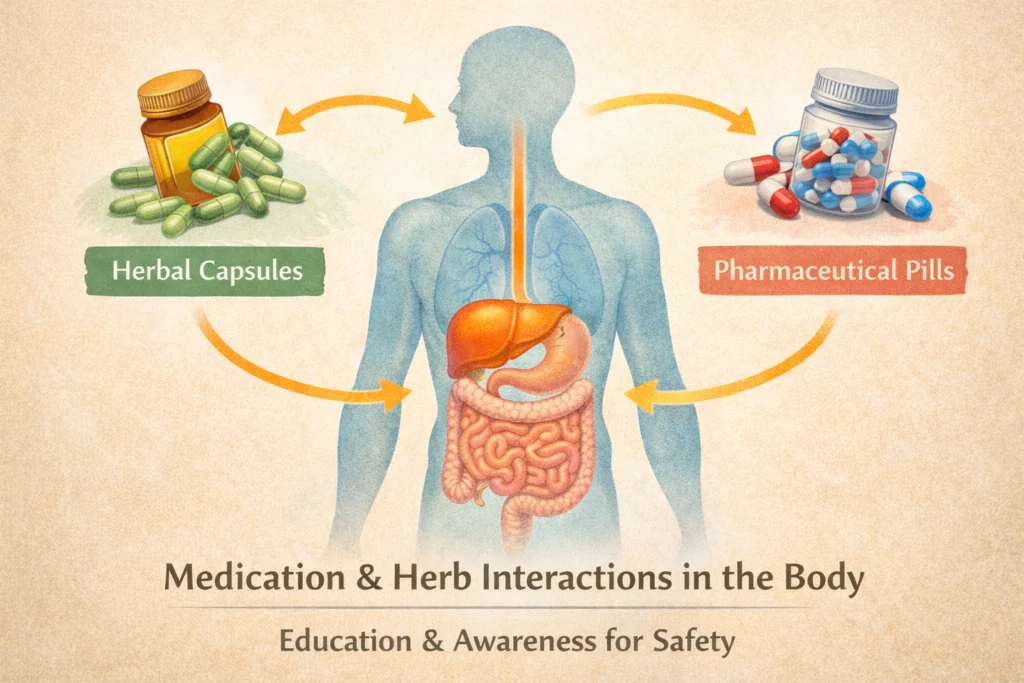
The liver plays a particularly important role in processing herbal compounds. While the liver is highly efficient at detoxifying substances, excessive or inappropriate herbal use can place additional strain on this organ. This is why liver safety is a recurring theme in discussions about herbal supplements.
What Scientific Research Says About Herbal Safety
Modern scientific research increasingly supports the safe use of many medicinal herbs, especially those with a long history of traditional and food-based use. Studies generally show that adverse effects are rare when herbs are used correctly and within recommended guidelines.
Research also highlights that most safety concerns arise from improper use, excessive dosages, poor-quality products, contamination, or interactions with medications. In other words, the issue is not herbal medicine itself, but how it is practiced and regulated.
For example, herbs such as chamomile, ginger, peppermint, and fennel have been extensively studied and are considered safe for most adults. On the other hand, herbs like St. John’s Wort or kava have well-documented interaction risks when used improperly.
Are Herbs Safe for Daily Use?
Daily herbal use: tradition vs modern practice
Historically, herbs were rarely used in isolation or at high doses for extended periods. In traditional systems such as Ayurveda, Traditional Chinese Medicine, and Mediterranean folk medicine, herbs were often combined with food, prepared as mild infusions, and used seasonally rather than continuously.
Modern wellness culture, however, often promotes daily use of single herbs in concentrated forms, sometimes without professional guidance. This shift has important safety implications. Continuous daily use can lead to cumulative effects, tolerance, dependency, or unintended physiological changes.
Scientific research supports the idea that some herbs are well-tolerated when used daily, while others are best reserved for short-term or cyclical use. Recognizing this distinction is crucial for safe herbal practice.
Herbs generally considered safe for daily use
Certain herbs have a long history of daily consumption and are supported by scientific evidence suggesting a high margin of safety when used appropriately. These herbs are typically mild, food-like, and non-stimulatory.
Chamomile is widely consumed as a daily tea for relaxation and digestive comfort. Research indicates that chamomile has a low risk of adverse effects for most people, making it suitable for regular use.
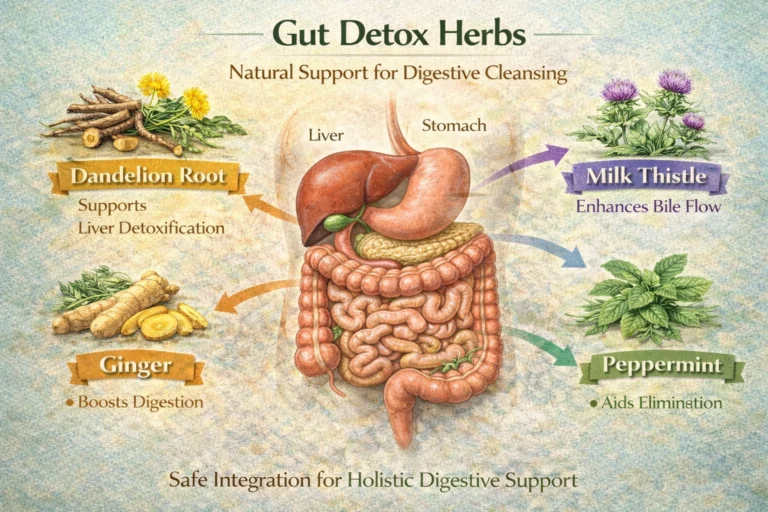
Peppermint is another herb commonly used daily, particularly for digestive support. Its active compounds, including menthol, have been studied extensively and are generally considered safe when consumed in moderate amounts.
Ginger, often used as a culinary spice and herbal remedy, has strong evidence supporting its safety and efficacy for digestion and nausea. Daily use in food or tea form is widely regarded as safe for healthy individuals.
Lemon balm is frequently used for mild anxiety and sleep support. Studies suggest it is well-tolerated and suitable for daily use, especially in tea form.
These herbs share common characteristics: they are traditionally consumed as foods or beverages, have mild physiological effects, and have been studied extensively in both traditional and modern contexts.
Herbs that require caution with daily use
Not all herbs are appropriate for continuous daily consumption. Some herbs exert strong pharmacological effects and may cause adverse reactions when used long-term.
Licorice root, for example, can affect blood pressure and electrolyte balance when consumed regularly. Long-term daily use has been associated with hypertension and potassium imbalance.
St. John’s wort, often used for mood support, interacts with numerous medications by affecting liver enzymes involved in drug metabolism. Daily use without medical supervision can lead to reduced effectiveness of prescription drugs.
Ashwagandha, while popular for stress and energy support, can influence thyroid function and hormone levels. Long-term daily use may not be appropriate for everyone.
Ginseng is a potent adaptogen that can affect blood pressure, blood sugar, and nervous system activity. Cycling rather than continuous daily use is often recommended.
The key takeaway is that stronger herbs are not inherently unsafe, but they require greater awareness, appropriate dosing, and sometimes professional guidance.
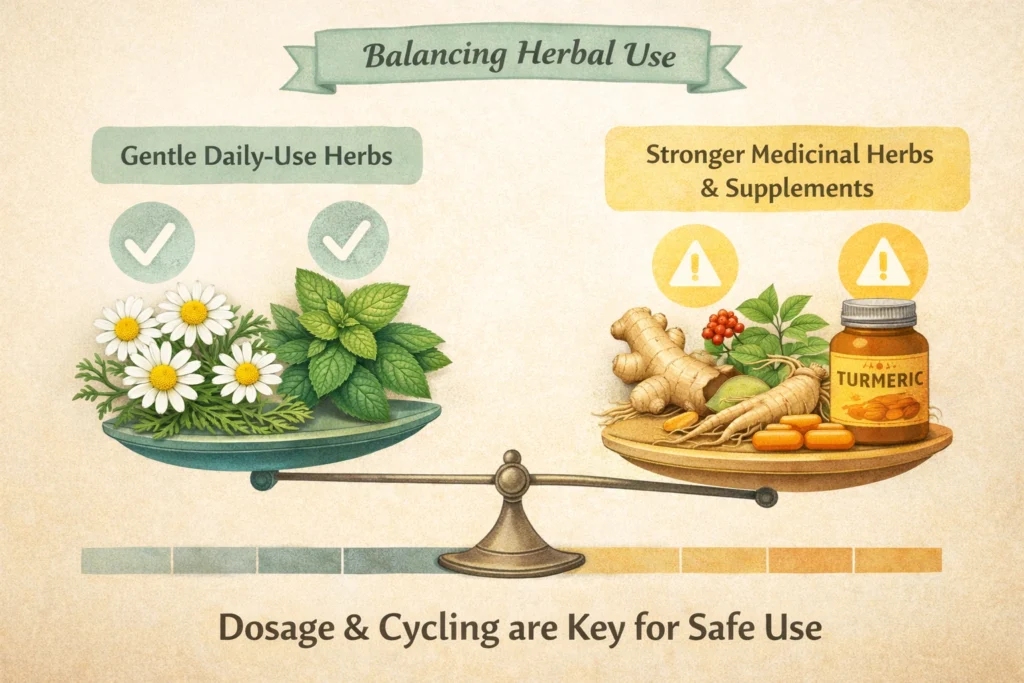
Daily herbal use can be safe, but not all herbs are suitable for continuous consumption. The distinction between gentle, food-grade herbs and stronger medicinal herbs is critical.
Herbal teas made from chamomile, peppermint, lemon balm, rooibos, or ginger are commonly consumed daily without issue. These herbs have mild effects and long safety histories.
Stronger herbs, especially those taken in concentrated supplement form, are better used in cycles. Continuous daily use of potent extracts may place unnecessary stress on the liver, endocrine system, or nervous system in some individuals.
The safest approach is moderation combined with awareness. Daily use does not mean unlimited use.
Herbal Supplements vs Herbal Teas: A Safety Comparison
One of the most important safety distinctions in herbal use lies in the form of consumption. Herbal teas are generally diluted, food-like preparations that deliver low to moderate amounts of active compounds. This makes them suitable for frequent use.
Herbal supplements, however, are concentrated forms that may deliver the equivalent of several cups of tea in a single capsule. This concentration increases both effectiveness and risk.
Common issues associated with herbal supplements include inaccurate labeling, excessive dosages, contamination with heavy metals, and adulteration with pharmaceutical substances. These risks make quality control and third-party testing essential when choosing supplements.
Understanding Herb–Drug Interactions
One of the most significant safety concerns in herbal medicine involves interactions with pharmaceutical drugs. Some herbs affect liver enzymes responsible for drug metabolism, altering how medications are absorbed or eliminated.
St. John’s Wort, for example, is known to reduce the effectiveness of antidepressants, birth control pills, and blood thinners. Ginkgo and garlic supplements may increase bleeding risk when combined with anticoagulant medications.
These interactions are not rare exceptions; they are well-documented biochemical processes. Anyone taking prescription medication should consult a healthcare professional before using medicinal herbs.
The role of the gut microbiome in herbal safety
In recent years, scientific research has increasingly focused on the gut microbiome as a central factor in overall health. The trillions of microorganisms living in the digestive tract influence immunity, metabolism, hormone balance, and even mental health. What is often overlooked in discussions about daily herbal use is how herbs interact with this complex microbial ecosystem.
Many herbs contain polyphenols and other plant compounds that act as prebiotics, selectively nourishing beneficial gut bacteria. Gentle herbs such as chamomile, peppermint, ginger, and fennel have been shown to support microbial diversity rather than disrupt it. This is one reason these herbs are traditionally consumed daily in many cultures without apparent harm.
However, stronger medicinal herbs can exert antimicrobial effects. While this can be beneficial in short-term therapeutic contexts, such as addressing digestive infections or dysbiosis, long-term daily use may unintentionally alter the balance of gut flora. Scientific studies suggest that chronic exposure to potent antimicrobial compounds can reduce microbial diversity, which is associated with negative health outcomes.
From a safety perspective, this reinforces an important principle: herbs that are gentle and food-like tend to harmonize with the gut microbiome, while stronger herbs should be used intentionally and, in many cases, cyclically. This microbiome-centered view adds a modern scientific layer to traditional herbal wisdom, which often emphasized moderation and seasonal use.
Daily use vs cyclical use: what science and tradition agree on
One of the most misunderstood aspects of herbal medicine is the idea that if something is beneficial, more or longer use must be better. Both traditional medicine systems and modern research contradict this assumption.
Daily use is generally appropriate for herbs that provide nutritional support, mild digestive assistance, or gentle nervous system regulation. These herbs often resemble foods more than drugs in their physiological impact.
Cyclical use, on the other hand, is recommended for herbs that significantly stimulate or suppress biological functions. Adaptogens such as ginseng and ashwagandha, hormone-influencing herbs, and detoxification-focused plants often fall into this category.
Scientific reasoning supports this approach. Continuous stimulation of a biological pathway can lead to tolerance, adaptation, or imbalance. Cycling herbs allows the body to respond, reset, and maintain sensitivity. This is particularly important for the endocrine system, which relies on feedback loops to maintain balance.
For readers of Healthy Herbs Hub, understanding this distinction is crucial. It empowers them to use herbs effectively while reducing the risk of unintended consequences associated with long-term daily exposure.
Who Should Be Especially Careful With Herbs
While herbs are generally safe for healthy adults, certain populations require additional caution. Pregnant and breastfeeding women should avoid many medicinal herbs due to limited safety data. Children are more sensitive to dosages, and individuals with chronic conditions may respond unpredictably.
People with liver or kidney disease, autoimmune disorders, or hormone-sensitive conditions should seek professional guidance before using herbal supplements.
Herbal safety is not one-size-fits-all. Individual physiology matters.
Liver health and herbal metabolism: a deeper look
The liver is the primary organ responsible for metabolizing both pharmaceutical drugs and herbal compounds. While the liver is remarkably resilient, it is not invulnerable. Concerns about liver toxicity are among the most common reasons people question whether herbs are really safe.
Scientific literature indicates that the majority of herb-related liver issues are linked to misuse rather than normal use. Factors such as excessive dosage, prolonged consumption of potent extracts, contamination, and pre-existing liver conditions significantly increase risk.
It is also important to distinguish between hepatoprotective herbs and hepatotoxic risks. Herbs like milk thistle have been extensively studied for their liver-supportive properties. Conversely, cases of liver injury are more often associated with multi-ingredient supplements, poorly regulated products, or herbs taken far beyond traditional dosage ranges.
This highlights the importance of product quality and informed use. Choosing reputable brands, avoiding unnecessary combinations, and respecting traditional preparation methods all contribute to safer daily herbal use.
Regulatory differences: why location matters for herbal safety
Herbal safety is also influenced by how products are regulated in different regions of the world. In Europe, many herbal products are classified as traditional herbal medicinal products and must meet specific safety and quality standards. In the United States, herbs are regulated as dietary supplements, which places more responsibility on consumers to assess quality.
The World Health Organization has repeatedly emphasized the need for standardization, quality control, and pharmacovigilance in herbal medicine. Scientific reports show that adverse events are more likely when products are adulterated, mislabeled, or contaminated with heavy metals or pharmaceutical substances.
For daily users, this means that safety is not only about the herb itself but also about sourcing. Transparency, third-party testing, and adherence to good manufacturing practices are essential indicators of safer products.
How to Use Herbs Safely and Responsibly
Safe herbal use begins with education. Understanding what you are taking, why you are taking it, and how it affects the body is essential.
Choosing reputable brands, respecting recommended dosages, avoiding unnecessary combinations, and paying attention to how your body responds are all fundamental practices. Herbs should support health, not replace medical care or common sense.
When used wisely, herbs can be powerful allies in daily wellness.
Who should be extra cautious with daily herbal use?
While many healthy adults tolerate gentle herbs well, certain populations should exercise additional caution. Pregnant and breastfeeding individuals, for example, experience physiological changes that can alter how herbs are processed. Some herbs traditionally considered mild may still affect hormone levels or uterine activity.
People with chronic illnesses, autoimmune conditions, or compromised liver or kidney function should also be mindful. Daily herbal use in these contexts should ideally be discussed with a qualified healthcare professional.
Additionally, individuals taking prescription medications should be aware that even common herbs can influence drug metabolism. This does not mean herbs must be avoided altogether, but rather that informed decision-making is essential.
Warning signs that an herb may not be right for you
Scientific and clinical observations suggest that the body often provides early signals when an herb is not being tolerated well. Digestive discomfort, headaches, unusual fatigue, changes in sleep patterns, or skin reactions may indicate that dosage, form, or duration of use should be reassessed.
Long-term daily use should feel supportive, not burdensome. The absence of immediate side effects does not guarantee long-term safety, which is why periodic breaks and self-observation are widely recommended in both traditional and modern herbal practice.
How to choose safer herbal products for daily use?
Safety begins before consumption. Scientific reviews consistently emphasize that product quality is one of the most important determinants of herbal safety. Herbs grown in contaminated soil, improperly processed, or inaccurately labeled pose greater risks.
From an evidence-based perspective, safer products are those that clearly identify the plant species, part used, preparation method, and dosage. Avoiding exaggerated claims and miracle-cure language is also a good indicator of responsible formulation.
For daily use, simpler is often better. Single-herb preparations or traditional blends with a long history of use are generally preferable to complex formulations with dozens of ingredients.
So, Are Herbs Safe or Dangerous?
So, are herbs safe? The evidence suggests that herbs are neither miracle cures nor hidden dangers. They are biologically active natural tools that offer real benefits when used appropriately.
Problems arise not from herbs themselves, but from misinformation, misuse, poor-quality products, and unrealistic expectations. Education, moderation, and respect for individual differences transform herbal use from risky experimentation into responsible self-care.
At Healthy Herbs Hub, our mission is to provide science-based guidance so you can enjoy the benefits of herbs with confidence and clarity.
References
- World Health Organization (WHO).
WHO Guidelines on Safety Monitoring of Herbal Medicines in Pharmacovigilance Systems.
World Health Organization, Geneva.
→ Authoritative global reference on herbal safety, adverse effects, and monitoring systems. - Bent, S. (2008).
Herbal medicine in the United States: Review of efficacy, safety, and regulation.
Journal of General Internal Medicine, 23(6), 854–859.
→ Excellent overview of benefits, risks, and regulatory gaps in herbal medicine. - Posadzki, P., Watson, L. K., & Ernst, E. (2013).
Adverse effects of herbal medicines: An overview of systematic reviews.
Clinical Medicine, 13(1), 7–12.
→ Widely cited review summarizing documented side effects and risk patterns. - European Medicines Agency (EMA).
Guideline on Good Agricultural and Collection Practice (GACP) for Starting Materials of Herbal Origin.
→ Critical reference for quality, contamination prevention, and product safety. - Barnes, J., Anderson, L. A., & Phillipson, J. D. (2007).
Herbal Medicines (3rd ed.). Pharmaceutical Press.
→ Gold-standard academic textbook used in pharmacy and clinical training. - Stickel, F., & Shouval, D. (2015).
Hepatotoxicity of herbal and dietary supplements: An update.
Archives of Toxicology, 89(6), 851–865.
→ Key scientific source on liver safety and herbal supplement risks. - Izzo, A. A., & Ernst, E. (2009).
Interactions between herbal medicines and prescribed drugs.
Drugs, 69(13), 1777–1798.
→ Foundational paper on herb–drug interactions and clinical relevance. - Williamson, E. M., Driver, S., & Baxter, K. (2013).
Stockley’s Herbal Medicines Interactions. Pharmaceutical Press.
→ Highly respected reference used by clinicians to assess interaction risks. - Foster, S., & Tyler, V. E. (2013).
Tyler’s Honest Herbal: A Sensible Guide to the Use of Herbs and Related Remedies (4th ed.).
Haworth Press.
→ Evidence-based, consumer-friendly yet scientifically grounded reference. - Teschke, R., & Eickhoff, A. (2015).
Herbal hepatotoxicity in traditional and modern medicine: Actual key issues and new encouraging steps.
Frontiers in Pharmacology, 6, 72.
→ Modern, balanced discussion separating real risks from exaggerated claims.
Medical Disclaimer
The information provided on Healthy Herbs Hub is for educational and informational purposes only and is not intended as medical advice, diagnosis, or treatment. Herbal remedies and supplements may affect individuals differently depending on health status, dosage, and interactions with medications. Always consult a qualified healthcare professional before starting, stopping, or combining herbal products, especially if you are pregnant, breastfeeding, have a medical condition, or are taking prescription medications. Never disregard professional medical advice or delay seeking it because of information found on this website.