Detoxification has become a buzzword in health and wellness circles, with promises of rapid weight loss, glowing skin, and renewed energy. Herbal teas, supplements, and specialized detox programs flood the market, each claiming to “cleanse your body naturally.” But how much of this is backed by science, and how safe are these practices, especially when used daily?
This article explores herbal detoxification, examining what the research really says, the most effective herbs, potential risks, and how to create a safe, gentle detox routine. By the end, you will understand how to use detox herbs responsibly and distinguish between myths and facts.
Understanding Detox: How the Body Naturally Cleanses Itself
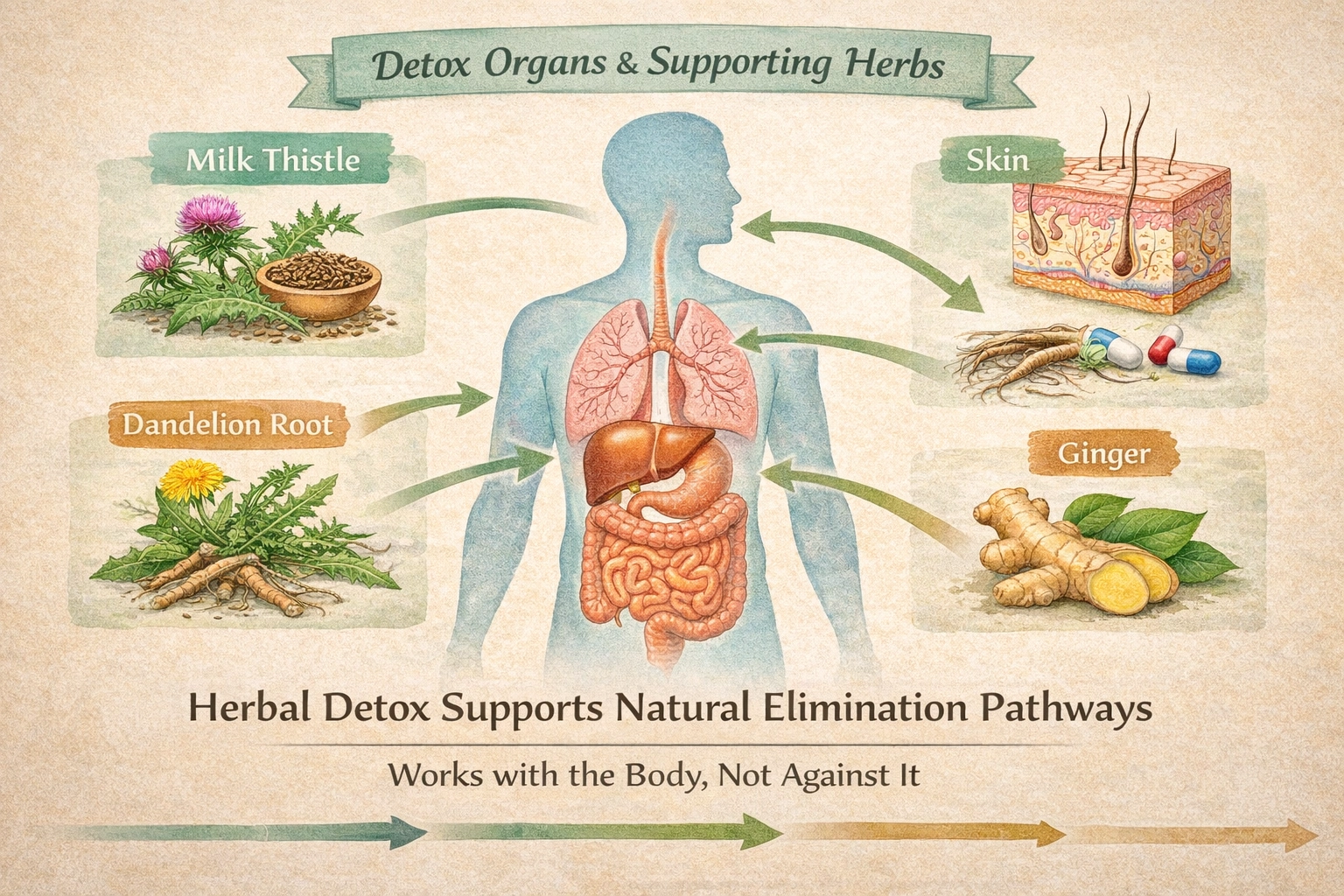
Detoxification is a natural process. Your liver, kidneys, lungs, digestive tract, and skin work continuously to remove toxins and metabolic waste from the body. These organs filter chemicals, break down drugs, eliminate waste products, and maintain balance within your system.
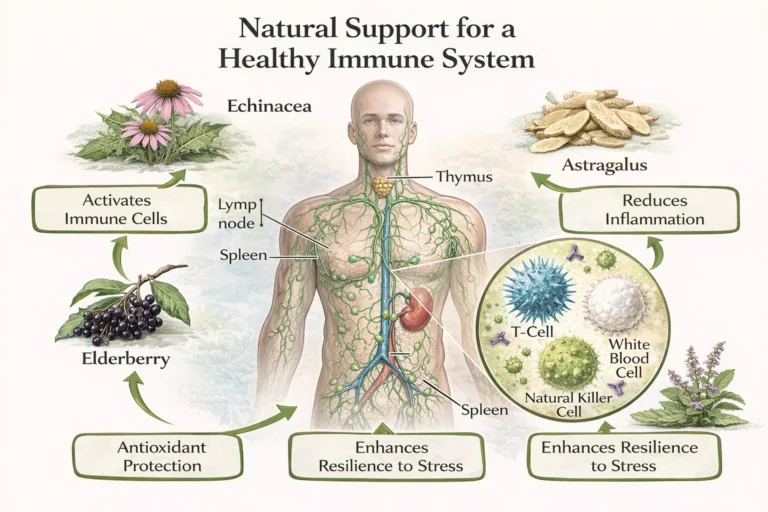
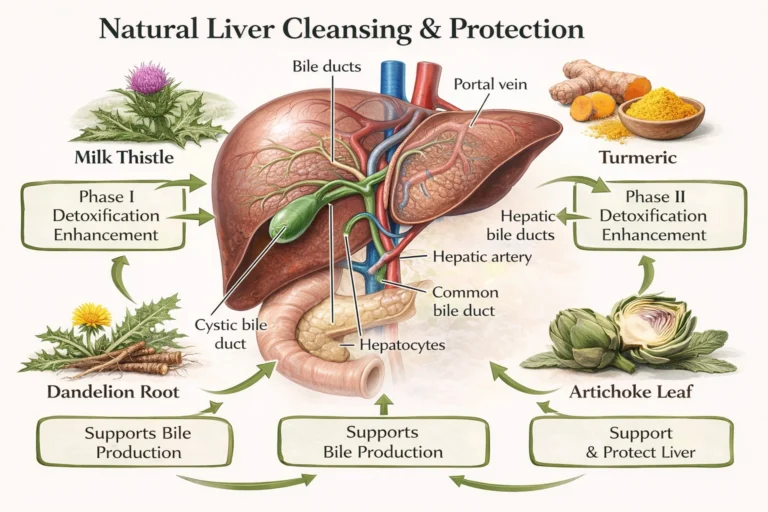
Herbs do not replace these organs. Instead, they support detox pathways, enhance liver function, and promote gentle elimination through digestion or urine. For example, certain herbs may increase bile production, stimulate mild diuresis, or support antioxidant defense systems.
The key takeaway is that detox herbs are supportive, not miraculous. They can help optimize your body’s natural cleansing processes, but they do not suddenly flush toxins out or cure disease.
Common Detox Myths and Misconceptions
Detox culture is full of myths that can be misleading or harmful. One widespread belief is that the body accumulates “toxins” that need to be forcefully flushed out. In reality, unless someone has specific organ dysfunction, the body is already highly efficient at managing waste.
Another misconception is that extreme cleanses, fasting, or high-dose herbal supplements are necessary for detox. These approaches can be stressful to the liver, kidneys, or digestive system and may even cause nutrient deficiencies. Gentle, evidence-based approaches that integrate herbs with a balanced diet and hydration are far safer and more effective.
How Herbal Detox Works
Herbal detox works by supporting your body’s natural pathways:
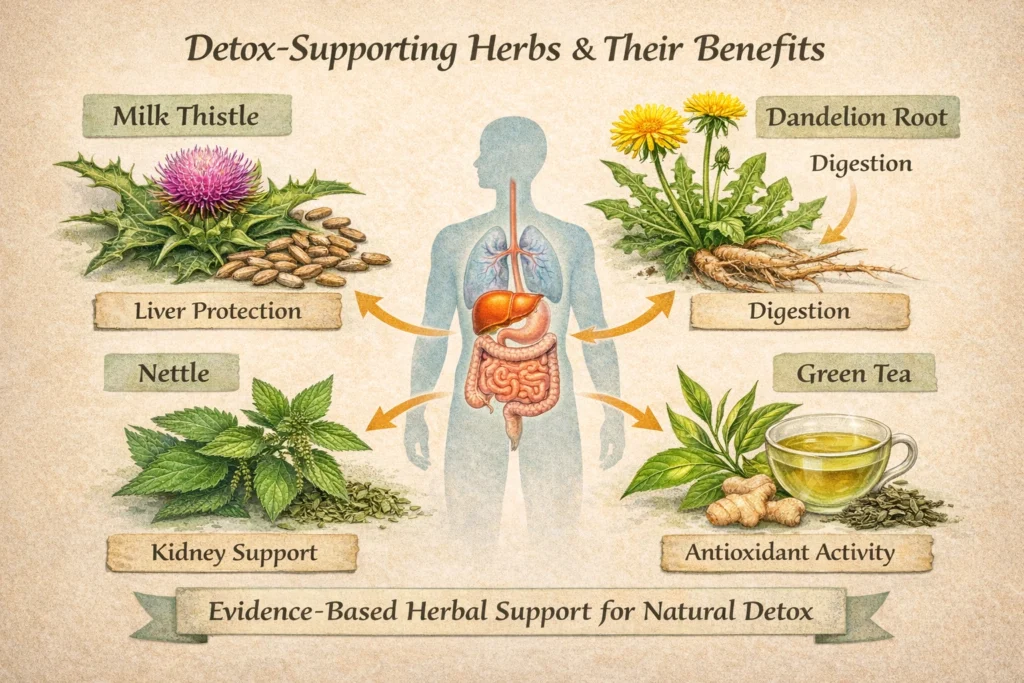
- Liver support: Herbs such as milk thistle contain silymarin, which may protect liver cells and enhance detoxification enzymes.
- Digestive support: Dandelion root, peppermint, and ginger help stimulate bile flow and digestion, assisting the elimination of metabolic waste.
- Diuretic effect: Parsley, nettle, and corn silk can gently increase urine output, aiding kidney cleansing.
- Antioxidant support: Turmeric, green tea, and rosemary contain antioxidants that reduce oxidative stress during detoxification.
Herbal detox is not about forcing the body to do something unnatural; it is about optimizing what your organs already do daily.
Popular Herbs Used in Detox Programs
Milk Thistle
Milk thistle is among the most studied herbs for liver support. Its active compound, silymarin, exhibits antioxidant, anti-inflammatory, and liver-protective properties. Studies suggest milk thistle can help protect liver cells from oxidative damage and may support healthy liver function in individuals exposed to mild toxins or alcohol.
Dandelion Root
Dandelion root has been used traditionally to stimulate digestion and support liver and kidney function. It may increase bile production, aiding the breakdown of fats and assisting with nutrient absorption. Its mild diuretic effect also promotes urinary excretion of waste products.
Ginger
Ginger supports digestion, reduces bloating, and has mild anti-inflammatory properties. In detox routines, it can improve gut motility and enhance comfort during dietary changes. Ginger also contains antioxidants that help neutralize free radicals generated during metabolism.
Peppermint
Peppermint aids digestion, reduces gas, and can relax intestinal muscles. It may improve nutrient absorption and contribute to gentle detox support. Peppermint tea is commonly used in daily wellness routines for comfort and hydration.
Turmeric
Turmeric contains curcumin, a potent antioxidant and anti-inflammatory compound. It may support liver function and protect cells from oxidative stress. When combined with black pepper, its bioavailability increases, making it effective even in small daily doses.
Detox for Beginners: Safe Guidelines
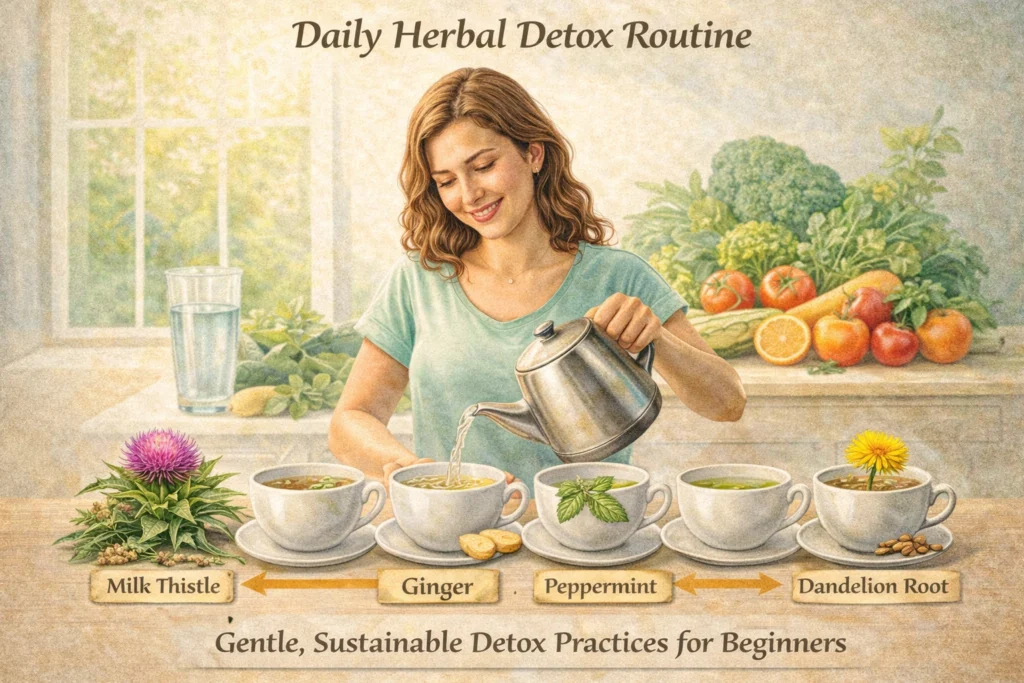
For those new to herbal detox, the approach should be gentle and sustainable. Start by incorporating one or two supportive herbs, usually as teas, into your daily routine. Ensure hydration, a balanced diet rich in fiber, and adequate rest.
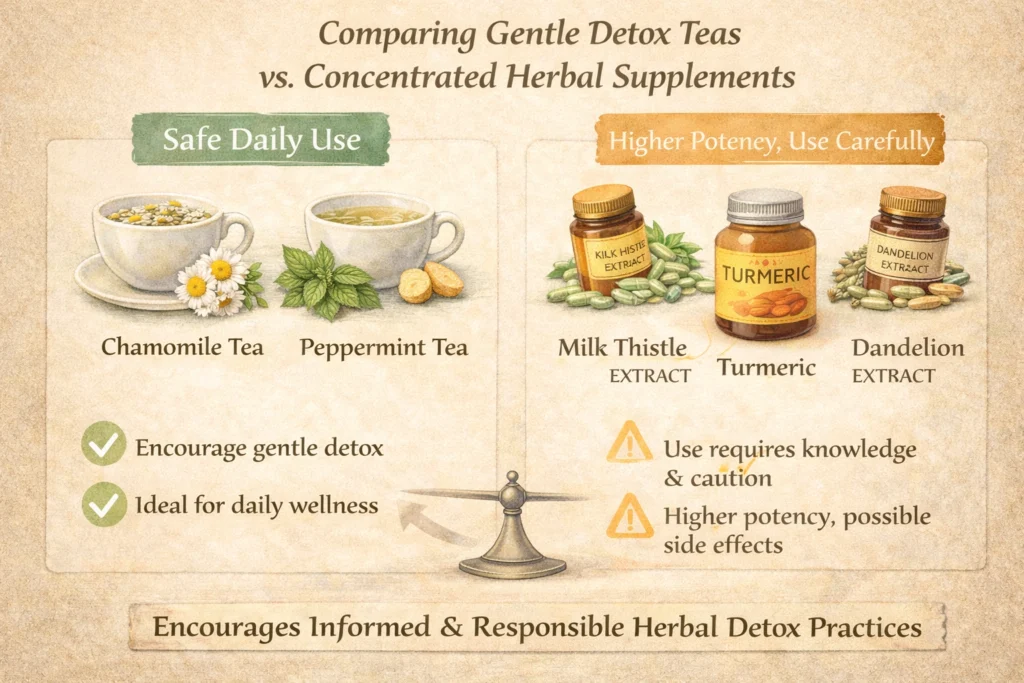
Potent supplements or high-dose extracts should be reserved for short-term use or under professional guidance. Overdoing herbal detox may lead to digestive discomfort, electrolyte imbalance, or fatigue. Supporting digestion with adequate dietary fiber, whether from whole foods or carefully formulated supplements like Fibre Select, can help reduce discomfort and improve tolerance during gentle detox routines. Listening to your body is essential.
How Herbal Detox Supports Overall Health
Gentle herbal detox can improve digestion, enhance energy levels, and support immune function. In this context, nutrient-dense supplements such as spirulina are often used alongside gentle detox herbs. Rich in antioxidants, chlorophyll, and plant-based protein, spirulina may support energy levels and cellular defense during detox routines. A well-formulated option such as Spirulina Plus can be considered as part of a balanced wellness approach.
While detox alone is not a cure-all, consistent use of supportive herbs alongside a healthy diet can contribute to improved metabolic balance and well-being.
Detox practices also encourage mindfulness about what we consume, reinforcing healthy habits like eating whole foods, drinking water, and limiting processed foods. The herbal component acts as a catalyst, not a replacement for lifestyle choices.
Common Concerns and Safety Tips
Even gentle detox herbs carry some risks, particularly for certain populations. Pregnant or breastfeeding women, individuals with liver or kidney disease, and those taking prescription medications should consult a healthcare professional before starting herbal detox.
Adverse effects are rare with low-dose herbal teas but can occur with concentrated supplements. Always choose high-quality products, read labels carefully, and follow recommended usage instructions. Avoid combining multiple strong herbs unless guided by a professional.
Recommended Support for Gentle Detox
While herbs play a central role in detox support, nutrition matters just as much. Some people choose to complement herbal teas with:
– Spirulina Plus for antioxidant and micronutrient support
– Fibre Select to support digestion and regular eliminationThese products are not detox cures, but may support the body’s natural processes when used responsibly.
Conclusion: The Truth About Herbal Detox
Herbal detox is not a magic solution. It is a supportive practice that enhances your body’s natural cleansing mechanisms. When used wisely, herbs such as milk thistle, dandelion, ginger, peppermint, and turmeric can provide gentle support for liver, kidney, digestive, and antioxidant pathways.
The keys to safe detox are moderation, quality, and attention to individual health needs. A responsible herbal detox routine can be a powerful part of a holistic wellness strategy, improving digestion, energy, and overall vitality without unnecessary stress or risk.
References
- Flora, K., Hahn, M., Rosen, H., & Benner, K. (1998). Milk thistle (Silybum marianum) for the therapy of liver disease. American Journal of Gastroenterology, 93(2), 139–143.
- Clare, B. A., Conroy, R. S., & Spelman, K. (2009). The diuretic effect in human subjects of an extract of Taraxacum officinale folium over a single day. Journal of Alternative and Complementary Medicine, 15(8), 929–934.
- Mashhadi, N. S., Ghiasvand, R., Askari, G., Hariri, M., Darvishi, L., & Mofid, M. R. (2013). Anti-oxidative and anti-inflammatory effects of ginger in health and physical activity: Review of current evidence. International Journal of Preventive Medicine, 4(S1), S36–S42.
- Hewlings, S. J., & Kalman, D. S. (2017). Curcumin: A review of its effects on human health. Foods, 6(10), 92.
- McKay, D. L., & Blumberg, J. B. (2007). Roles for epigallocatechin gallate in cardiovascular disease and cancer prevention. Journal of the American College of Nutrition, 26(4), 396S–402S.