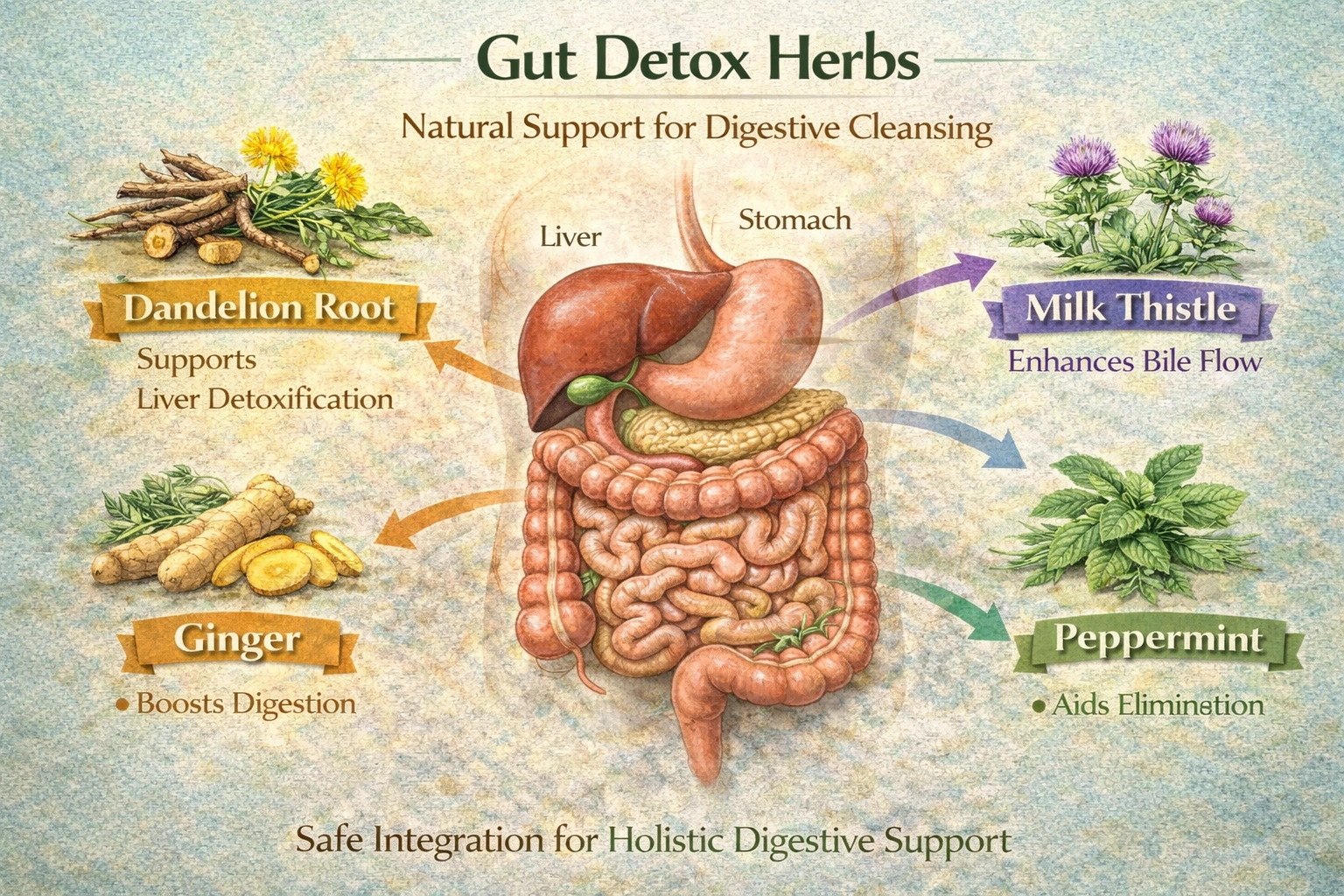
A healthy gut is the foundation of overall wellness. Modern diets, processed foods, environmental toxins, stress, and irregular lifestyles can contribute to digestive sluggishness, bloating, and poor nutrient absorption. Many people seek natural methods to cleanse and rejuvenate their digestive system.
Herbs for gut detox offer a holistic solution. Unlike harsh pharmaceutical cleanses or extreme detox programs, these herbs gently support the liver, intestines, and digestive enzymes, promoting effective detoxification and improving overall gut health.
In this article, we explore the best herbs for gut detox, how they work, scientific evidence, safe use, and practical ways to incorporate them into daily life. By the end, readers will understand how to naturally cleanse and support digestive function.
Understanding Gut Detox and Its Importance
The gut serves as the primary site for digestion, nutrient absorption, and elimination of waste. When the digestive system is sluggish or burdened with toxins, it can lead to bloating, constipation, gas, fatigue, and even weakened immunity. Gut detox focuses on supporting the body’s natural elimination and digestive processes, rather than aggressively flushing out contents.
Herbs used in gut detox can:
- Stimulate bile flow to improve fat digestion.
- Reduce inflammation and oxidative stress in the intestines.
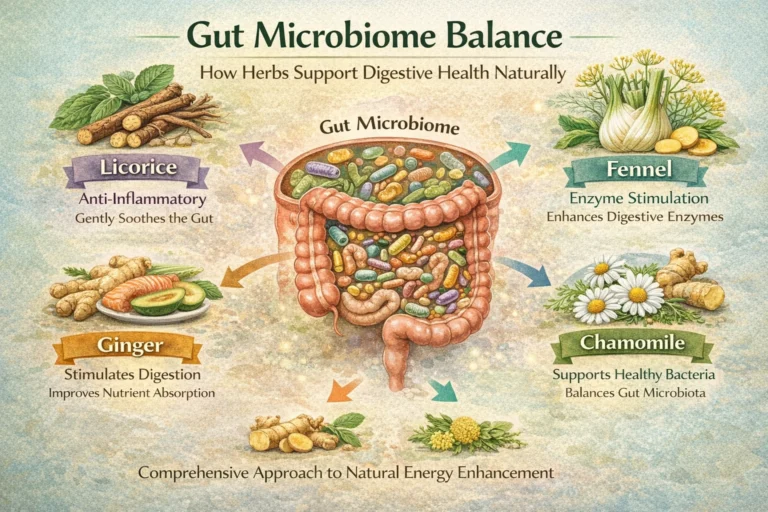
- Promote healthy gut microbiota balance.
- Support regular bowel movements and detoxification pathways.
Common Digestive Issues That Benefit from Gut Detox Herbs
Modern lifestyles often lead to issues such as bloating, irregularity, gas, constipation, and slow metabolism. Gut detox herbs address these problems by gently stimulating digestive processes and supporting detoxification.
Bloating and gas: Herbs like peppermint, fennel, and ginger reduce intestinal spasms and help release trapped gas.
Constipation: Mild herbal laxatives such as senna, aloe, and cascara sagrada support regular bowel movements.
Toxin accumulation: Liver-supporting herbs like milk thistle and dandelion enhance the body’s natural detoxification pathways, helping to neutralize and eliminate harmful compounds.
Gut microbiota imbalance: Prebiotic herbs and adaptogens, such as slippery elm and licorice root, promote a healthy gut microbiome, enhancing digestion and absorption.
Mechanisms Behind Herbal Gut Detox
Herbs support gut detox through multiple pathways:
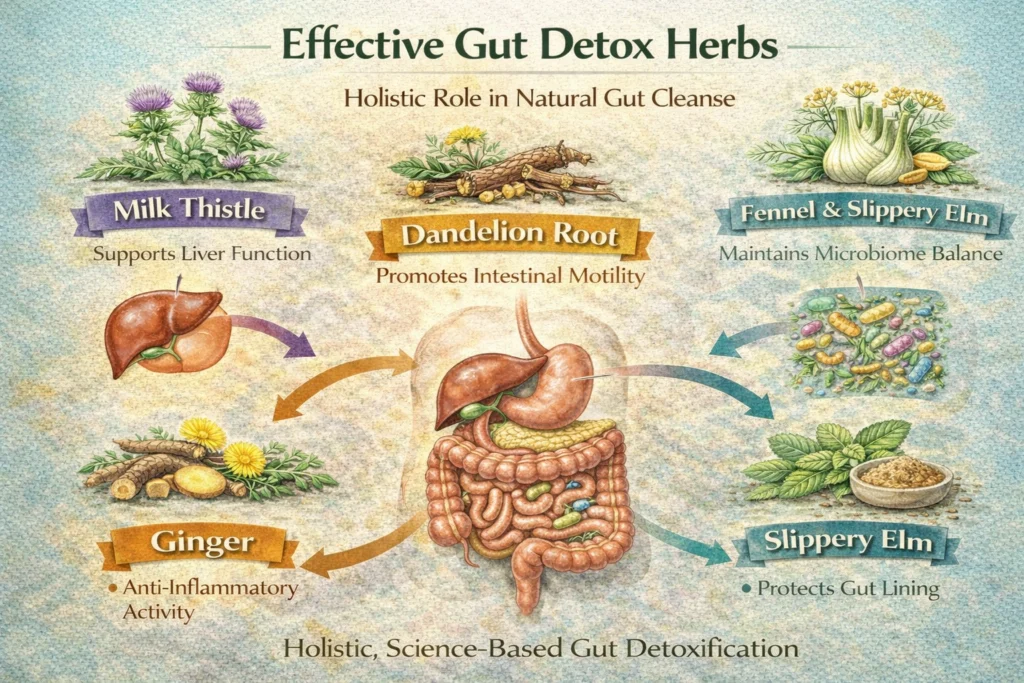
Liver support: Milk thistle and dandelion stimulate bile production, which helps digest fats and remove toxins efficiently.
Digestive enzyme stimulation: Gentian root and ginger enhance enzymatic activity in the stomach and pancreas, supporting nutrient absorption.
Intestinal motility: Peppermint, fennel, and mild herbal laxatives improve peristalsis, facilitating smoother bowel movements.
Anti-inflammatory and antioxidant effects: Turmeric, chamomile, and ginger reduce inflammation and oxidative stress in the gut lining, supporting healing and optimal function.
Microbiome support: Prebiotic herbs encourage beneficial bacteria growth, improving digestion and immunity.
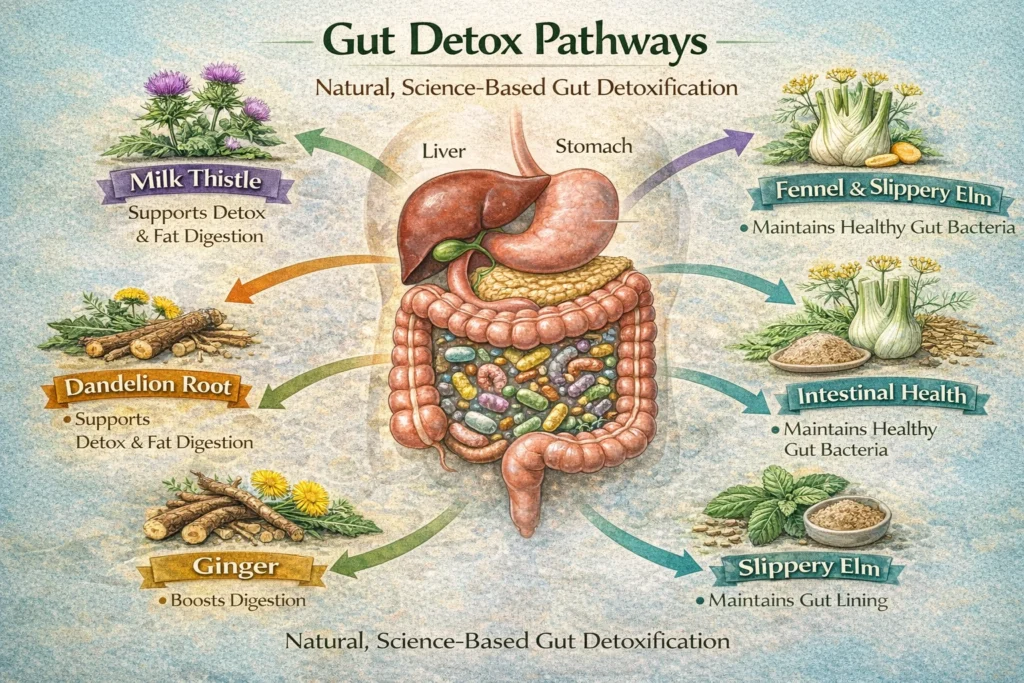
Popular Herbs for Gut Detox and Their Benefits
Milk Thistle
Milk thistle contains silymarin, a potent antioxidant that protects liver cells and supports detoxification. Improved liver function aids in fat digestion and the elimination of toxins, indirectly supporting gut health. Milk thistle can be consumed as a tea, tincture, or capsule.
Dandelion Root
Dandelion stimulates bile production and supports liver detoxification, aiding fat metabolism and overall digestive function. It also contains prebiotic fibers that nourish beneficial gut bacteria. Dandelion can be taken as a tea, tincture, or incorporated into meals.
Ginger
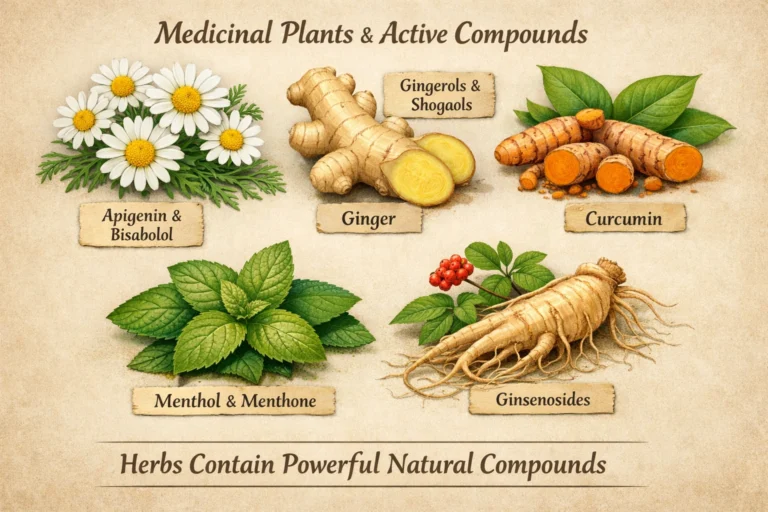
Ginger promotes gastric motility, reduces bloating and gas, and has anti-inflammatory properties. It can be consumed as fresh root, tea, or powdered form, helping soothe the digestive tract while stimulating detox processes.
Peppermint
Peppermint relaxes intestinal smooth muscles, reducing bloating and gas. Its carminative properties make it ideal for mild digestive discomfort during a gut detox program. Peppermint tea or oil capsules are effective and easy to integrate.
Fennel
Fennel seeds act as a digestive stimulant and carminative, reducing bloating, gas, and cramping. Fennel tea is a traditional remedy for gut cleansing and digestive comfort.
Slippery Elm
Slippery elm contains mucilage, which soothes the gut lining, reduces irritation, and supports a healthy intestinal environment. It can improve bowel regularity and protect the gut during detoxification.
How to Use Gut Detox Herbs Safely
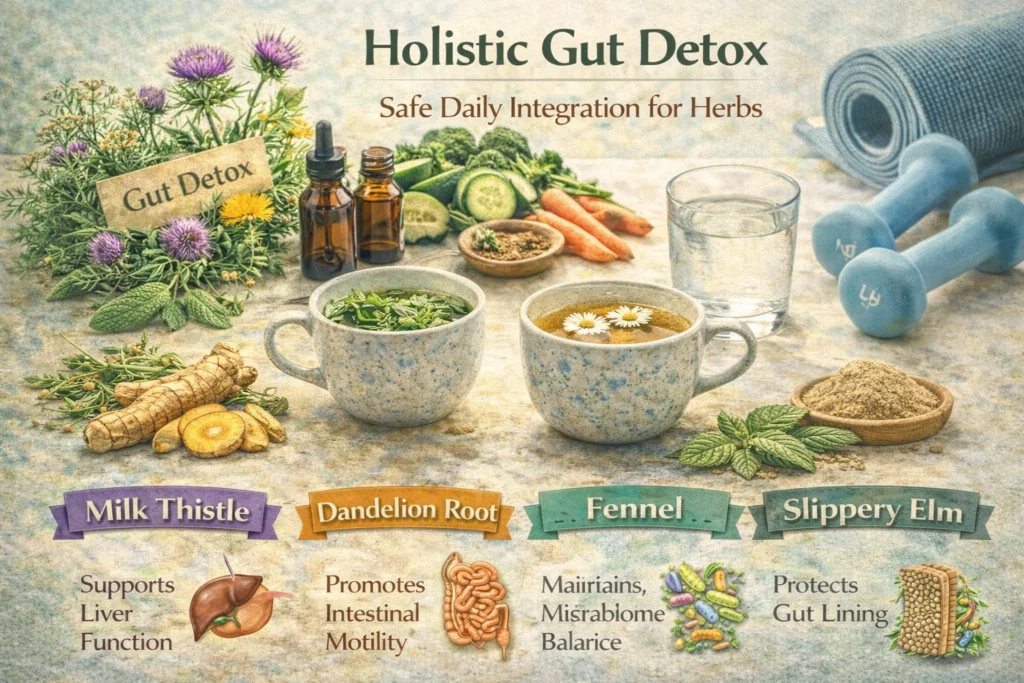
Gut detox herbs are generally gentle but must be used responsibly. Start with small doses and monitor how your body responds. Overuse of strong laxatives like senna can cause dependence or digestive irritation.
Herbal teas, tinctures, and powdered supplements are the safest forms for daily use. Ensure proper hydration and balanced meals to support detox processes.
Pregnant or breastfeeding women and people with chronic conditions should consult a healthcare professional before using concentrated herbal extracts.
Combining Gut Detox Herbs with Lifestyle Practices
For effective gut detox, herbs work best alongside healthy habits:
- Hydration: Drinking adequate water supports toxin elimination and gut motility.
- Fiber-rich diet: Vegetables, fruits, and whole grains complement herbal detox by promoting regular bowel movements.
- Regular exercise: Light physical activity stimulates digestion and circulation.
- Stress management: Chronic stress negatively impacts gut health; mindfulness and relaxation enhance detox results.
- Sleep: Quality sleep supports liver detoxification and gut healing.
Integrating these practices with herbal detox ensures a comprehensive, gentle, and sustainable approach to digestive health.
Scientific Evidence Supporting Gut Detox Herbs
Research supports the effectiveness of these herbs for gut health:
- Milk Thistle: Studies indicate silymarin protects liver cells, supports bile production, and enhances detoxification pathways.
- Dandelion Root: Evidence suggests it improves bile flow, supports liver health, and nourishes gut microbiota.
- Ginger: Clinical trials show ginger improves gastric emptying, reduces bloating, and promotes intestinal motility.
- Peppermint: Research demonstrates peppermint oil relaxes gut muscles, reducing bloating and intestinal spasms.
- Fennel: Studies indicate fennel seeds alleviate bloating and promote digestion.
- Slippery Elm: Research shows mucilage-soothing properties protect the gut lining and support bowel regularity.
Conclusion: Herbs for a Healthy Gut Detox
Herbs for gut detox provide a gentle, evidence-based approach to improving digestion, supporting liver function, reducing bloating, and enhancing overall gut health. By incorporating milk thistle, dandelion root, ginger, peppermint, fennel, and slippery elm into a balanced lifestyle with hydration, fiber-rich foods, exercise, stress management, and quality sleep, individuals can achieve a natural, sustainable digestive cleanse.
Moderation, quality, and observation of personal response are essential. Used responsibly, gut detox herbs help restore digestive balance, improve nutrient absorption, and support overall wellness.
References
- Flora, K., Hahn, M., Rosen, H., & Benner, K. (1998). Milk thistle (Silybum marianum) for the therapy of liver disease. American Journal of Gastroenterology, 93(2), 139–143.
- Clare, B. A., Conroy, R. S., & Spelman, K. (2009). The diuretic effect in human subjects of an extract of Taraxacum officinale folium over a single day. Journal of Alternative and Complementary Medicine, 15(8), 929–934.
- Lete, I., & Allue, J. (2016). The effectiveness of ginger in the prevention of nausea and vomiting: A systematic review. Integrative Medicine Insights, 11, 11–17.
- Pittler, M. H., & Ernst, E. (1998). Peppermint oil for irritable bowel syndrome: A systematic review and meta-analysis. British Journal of Clinical Pharmacology, 46(6), 555–565.
- Gupta, R., & Sharma, S. (2014). Fennel (Foeniculum vulgare Mill.) in gastrointestinal disorders: Evidence-based review. Journal of Evidence-Based Complementary & Alternative Medicine, 19(4), 261–269.