In today’s world, maintaining a robust immune system is more important than ever. Exposure to environmental stressors, pathogens, poor nutrition, and chronic stress can weaken immune defenses, making the body more susceptible to infections, fatigue, and inflammation.
Herbs for immunity provide a natural, holistic way to strengthen the body’s defense mechanisms. They have been used for centuries in traditional medicine systems, from Ayurveda and Traditional Chinese Medicine to Western herbalism, to support the immune system, reduce inflammation, and improve overall wellness.
This article explores the best herbs for immunity, how they work, their benefits, scientific evidence, safe usage, and practical ways to incorporate them into your daily life. By the end, you will understand how to boost your immune system naturally and safely.
How the Immune System Works and the Role of Herbs
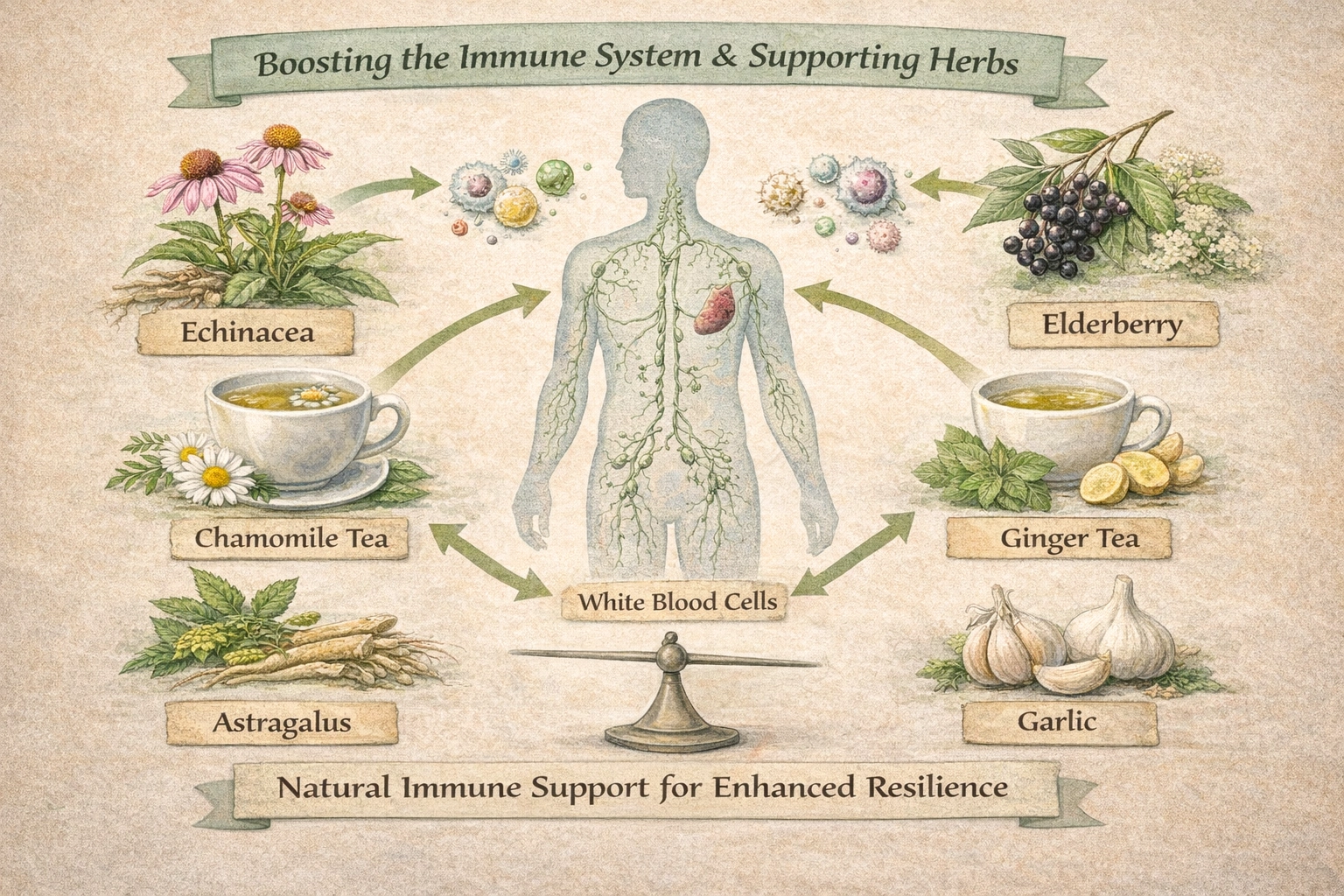
The immune system is a complex network of cells, tissues, and organs that protects the body from infections and foreign invaders. White blood cells, antibodies, the lymphatic system, and the gut-associated lymphoid tissue all work together to detect and eliminate harmful pathogens.
Herbs support the immune system in multiple ways. Some enhance white blood cell activity, others have antiviral or antibacterial properties, and many act as antioxidants, reducing cellular stress. Unlike pharmaceuticals that target specific pathways, herbs often support overall immune balance, promoting resilience without overstimulation.
Common Immune Challenges and How Herbs Help
Modern lifestyles present multiple challenges to immunity, including stress, poor sleep, poor diet, environmental toxins, and exposure to pathogens. Herbal remedies support immunity by:
Modulating immune response: Adaptogenic herbs like astragalus improve immune cell function, enhancing the body’s ability to respond to infections.
Reducing inflammation: Chronic inflammation impairs immunity. Herbs like turmeric, ginger, and echinacea have anti-inflammatory properties that protect immune cells and tissues.
Antiviral and antibacterial support: Elderberry, garlic, and oregano contain bioactive compounds with mild antiviral and antibacterial effects.
Antioxidant protection: Herbs rich in antioxidants, such as green tea and rosemary, protect immune cells from oxidative damage, which can compromise immunity.
Key Herbs for Immune Support
Echinacea
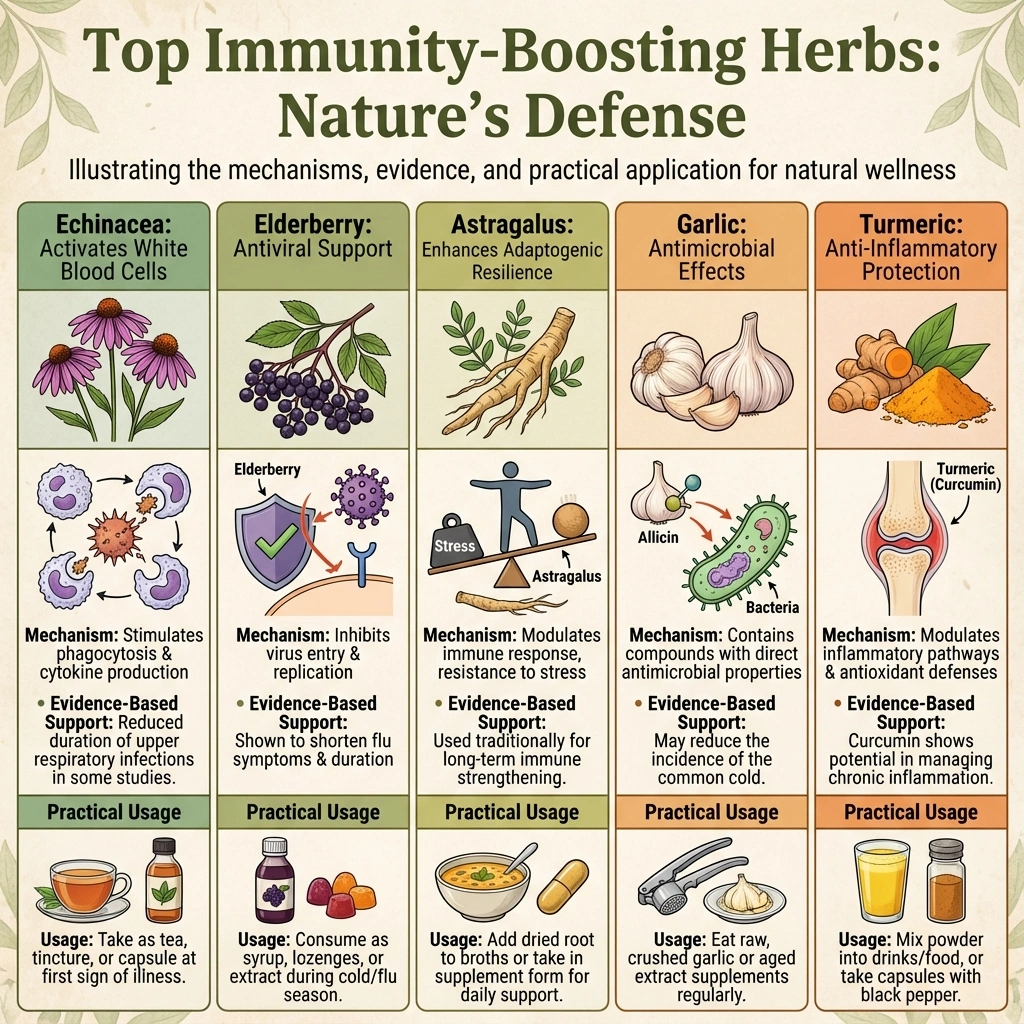
Echinacea is a widely studied herb known for its immune-stimulating properties. It enhances the activity of white blood cells, increases interferon production, and reduces the duration and severity of respiratory infections. Clinical trials suggest Echinacea is effective in reducing cold symptoms and supporting general immunity.
Elderberry
Elderberry contains flavonoids and anthocyanins that exhibit antiviral and antioxidant activity. Studies show elderberry extract may reduce cold and flu duration and improve immune cell activity. Elderberry is particularly popular during seasonal transitions when viral exposure increases.
Astragalus
Astragalus root is an adaptogen that strengthens immunity by supporting immune cell proliferation and function. It has been traditionally used to enhance resilience against infections and is also recognized for its antioxidant and anti-inflammatory properties.
Garlic
Garlic (Allium sativum) contains allicin, a sulfur-containing compound that supports immune defenses and exhibits antimicrobial activity. Regular consumption of garlic may reduce the incidence of common colds and support overall immune resilience.
Turmeric
Turmeric contains curcumin, a potent anti-inflammatory and antioxidant compound. It modulates immune responses, reduces inflammatory cytokines, and enhances the body’s defense mechanisms. Curcumin’s bioavailability is improved when consumed with black pepper.
How Immune-Boosting Herbs Work Mechanistically
Herbs influence immunity through several key mechanisms:
Enhancement of immune cell activity: Compounds in echinacea and astragalus stimulate the proliferation and activity of white blood cells, improving pathogen defense.
Anti-inflammatory effects: Chronic inflammation suppresses immune function. Herbs like turmeric, ginger, and rosemary reduce pro-inflammatory cytokines, supporting balanced immunity.
Antioxidant protection: Oxidative stress damages immune cells. Flavonoids and phenolic compounds in elderberry, green tea, and garlic protect immune tissues from free radical damage.
Adaptogenic support: Herbs like astragalus help the body adapt to stress, preventing cortisol-mediated immune suppression and promoting resilience.
Practical Ways to Use Immune Herbs Daily
Daily integration of immune herbs can be simple and safe:
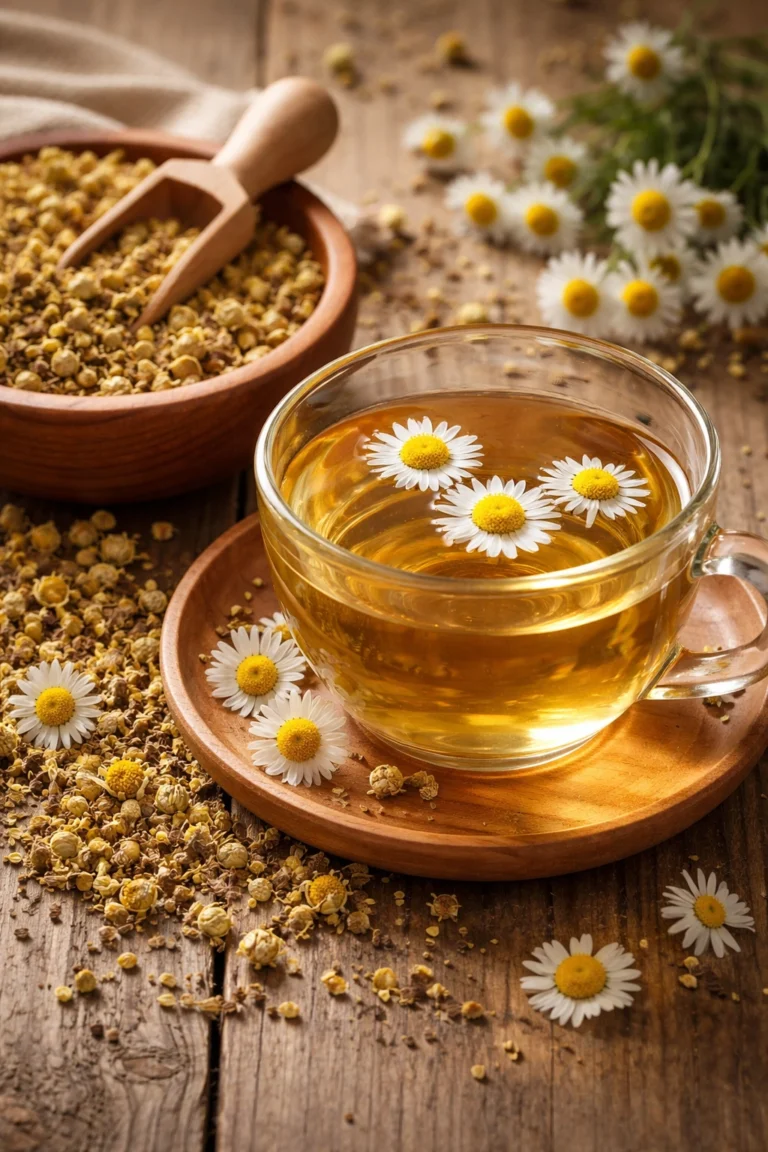
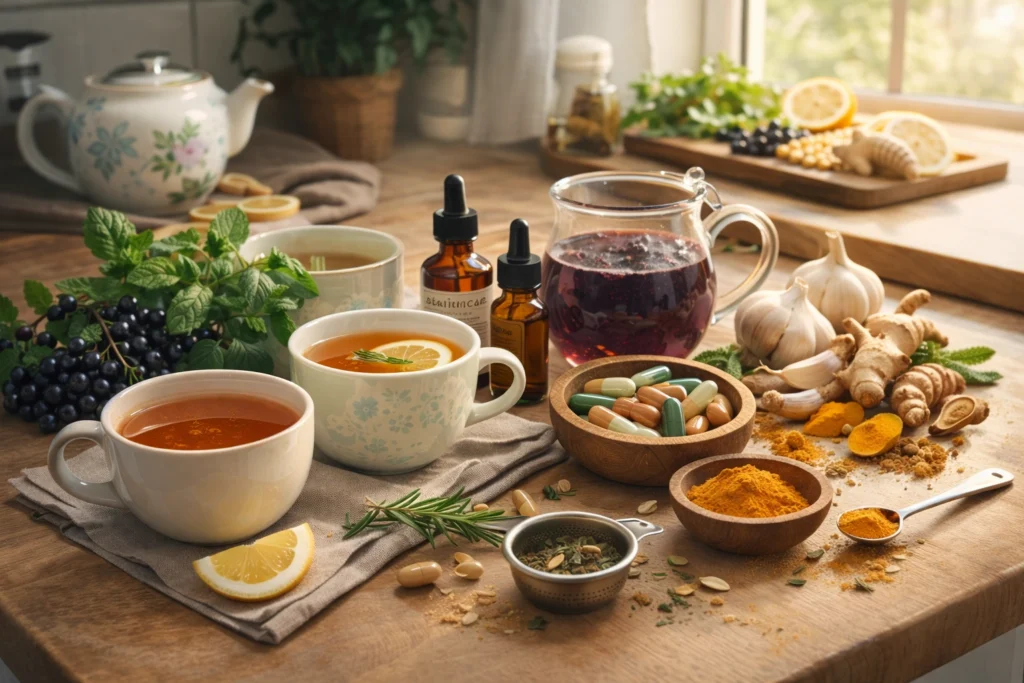
Herbal teas: Chamomile, echinacea, and ginger teas are convenient for gentle daily support.
Tinctures and extracts: Standardized extracts of elderberry, astragalus, or garlic provide more potent, concentrated effects for seasonal immunity support.
Whole herbs in meals: Garlic, turmeric, and ginger can be incorporated into cooking, adding both flavor and immune benefits.
Supplements: Capsules or powders of standardized herbal extracts are an option for individuals seeking consistent daily dosing.
Moderation and quality are essential. Starting with low doses, observing how the body responds, and selecting reputable brands ensures safety and effectiveness.
Combining Herbal Support with Lifestyle for Optimal Immunity
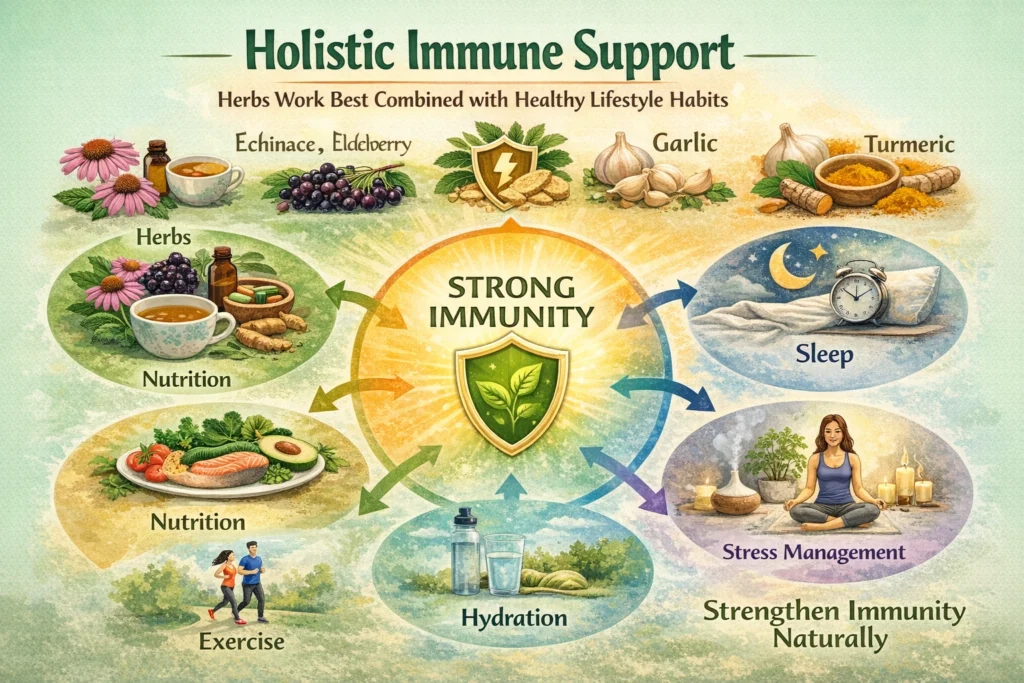
Herbal supplementation works best when combined with healthy lifestyle practices:
- Balanced nutrition: Whole foods rich in vitamins, minerals, and antioxidants provide the building blocks for immune cells.
- Quality sleep: Sleep is essential for immune function and recovery. Herbs like chamomile can also improve sleep quality.
- Regular exercise: Moderate activity supports circulation and immune surveillance.
- Stress management: Adaptogenic herbs and mindfulness practices reduce stress-related immune suppression.
- Hydration: Water and herbal infusions support lymphatic circulation and toxin elimination.
Integrating herbs with these lifestyle factors promotes comprehensive immune resilience, supporting both prevention and recovery.
Scientific Evidence Supporting Immune Herbs
Research validates the immune benefits of many herbs:
- Echinacea: Meta-analyses show reduced duration and severity of colds in adults and children.
- Elderberry: Clinical studies indicate decreased cold and influenza symptom duration and enhanced immune response.
- Astragalus: Evidence shows increased white blood cell proliferation and antiviral activity.
- Garlic: Randomized trials report lower incidence and severity of upper respiratory infections.
- Turmeric: Studies demonstrate immunomodulatory and anti-inflammatory effects beneficial for immune resilience.
These findings highlight the efficacy of herbal immune support when used responsibly as part of a holistic wellness routine.
Conclusion: Harnessing Herbs for Strong Immunity
Herbs for immunity are natural allies in protecting the body, enhancing resilience, and supporting overall health. By incorporating echinacea, elderberry, astragalus, garlic, and turmeric into daily routines and combining them with a balanced diet, sufficient sleep, moderate exercise, and stress management, individuals can achieve robust, sustainable immune health.
Moderation, quality, and observation of personal responses are crucial. With responsible use, immune herbs become a cornerstone of natural health, providing protection, vitality, and well-being year-round.
References
- Shah, S. A., Sander, S., White, C. M., Rinaldi, M., & Coleman, C. I. (2007). Evaluation of echinacea for the prevention and treatment of the common cold: A meta-analysis. The Lancet Infectious Diseases, 7(7), 473–480.
- Zakay-Rones, Z., Thom, E., Wollan, T., & Wadstein, J. (2004). Randomized study of the efficacy and safety of oral elderberry extract in the treatment of influenza A and B virus infections. Journal of International Medical Research, 32(2), 132–140.
- Block, K. I., Mead, M. N. (2003). Immune system effects of Echinacea, ginseng, and astragalus: A review. Integrative Cancer Therapies, 2(3), 247–268.
- Josling, P. (2001). Preventing the common cold with a garlic supplement: A double-blind, placebo-controlled survey. Advances in Therapy, 18(4), 189–193.
- Hewlings, S. J., & Kalman, D. S. (2017). Curcumin: A review of its effects on human health. Foods, 6(10), 92.