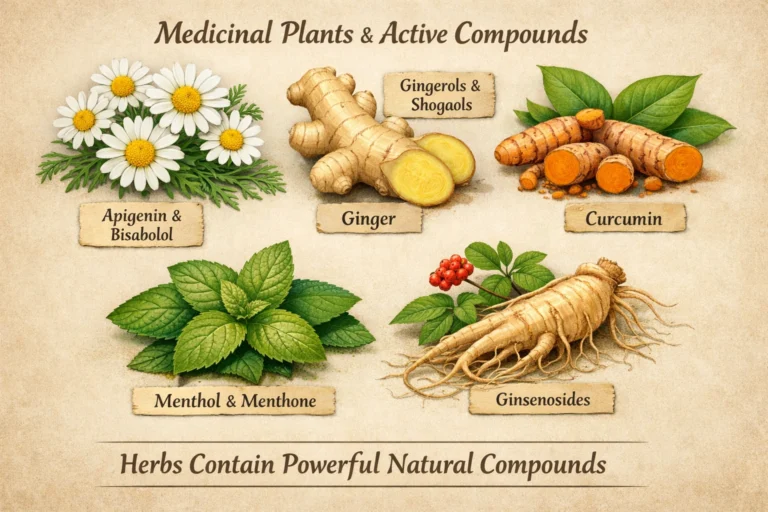
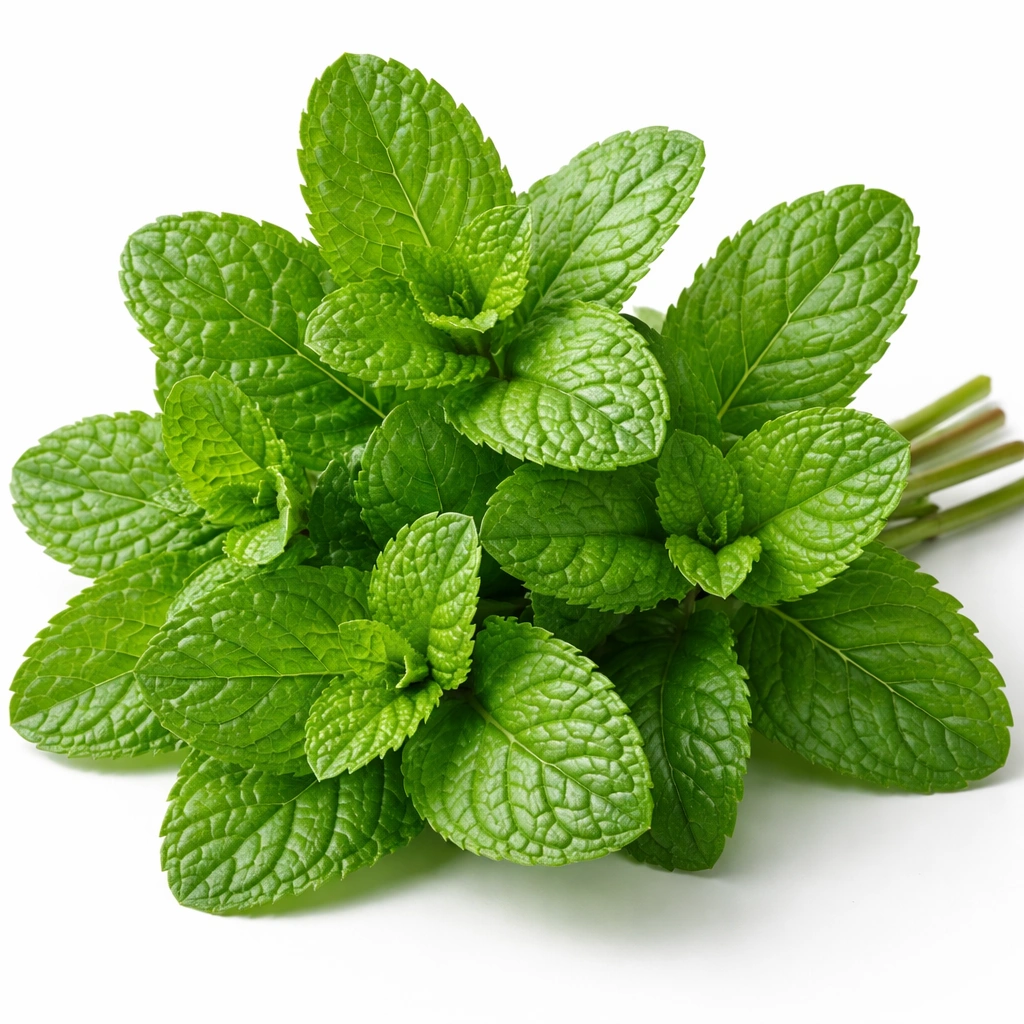
Mint is one of the most widely used medicinal herbs in the world. Recognized for its refreshing aroma and cooling taste, mint has been valued for centuries in traditional medicine. Today, modern research supports many of its traditional uses, making mint a popular choice for digestion, energy, and natural relief. Easy to consume and widely available, mint fits naturally into a daily wellness routine.
What Is Mint?
Mint belongs to the Mentha genus and includes popular varieties such as peppermint (Mentha piperita) and spearmint (Mentha spicata). These plants are rich in menthol, a natural compound responsible for mint’s cooling sensation and many of its health benefits. Mint can be used fresh, dried, or in the form of tea, oil, powder, or capsules, making it one of the most versatile medicinal herbs.
Mint Benefits for Digestion
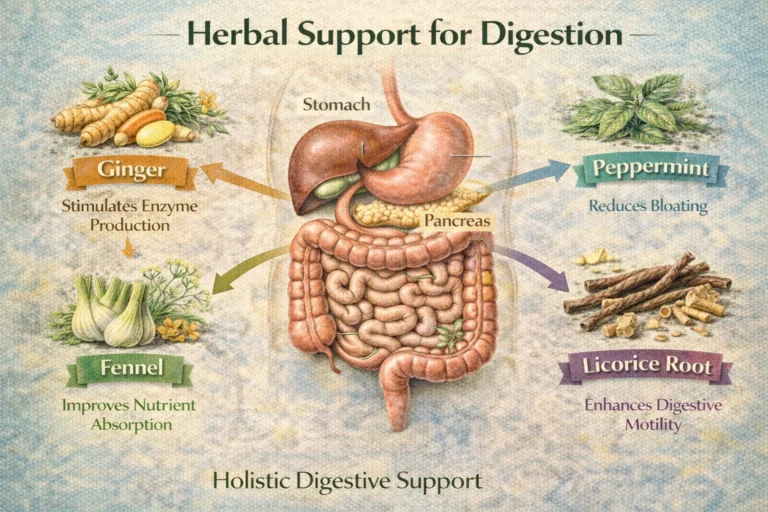
One of the most well-known benefits of mint is its positive impact on digestion. Mint helps relax the muscles of the digestive tract, which can ease discomfort caused by bloating, gas, or stomach cramps. Menthol plays a key role by calming digestive spasms and supporting smoother digestion after meals.
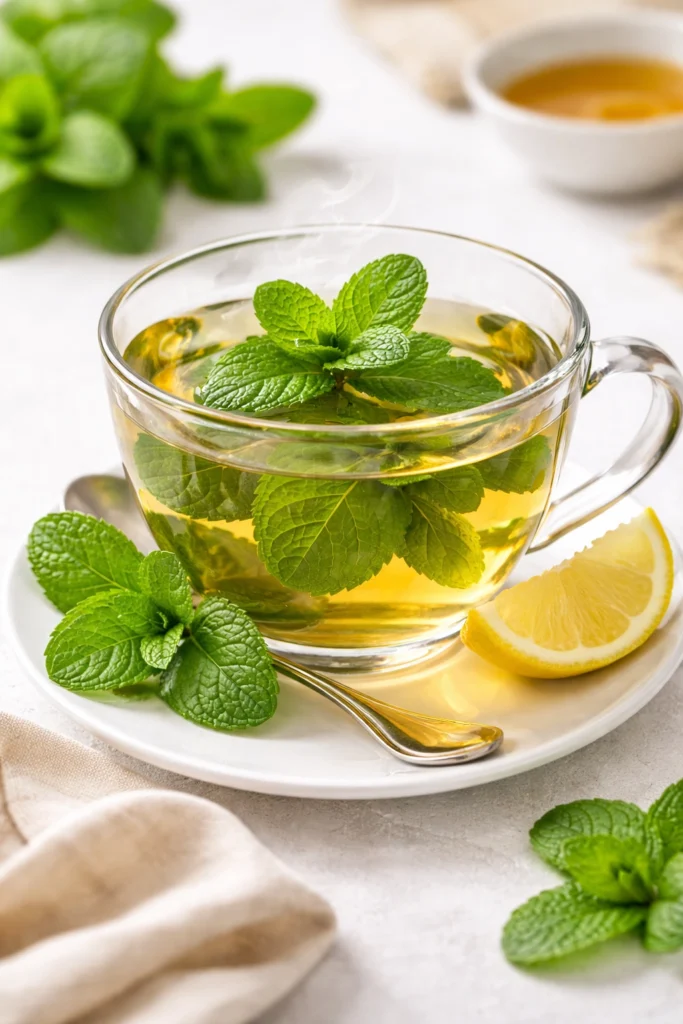
Mint also stimulates bile flow, which helps the body digest fats more efficiently. This is why mint tea is often recommended after heavy or rich meals. People suffering from mild indigestion or occasional digestive discomfort may find relief by regularly consuming mint in natural forms.
Mint and Natural Energy Support
Unlike stimulants such as caffeine, mint provides a gentle and natural boost of energy without causing nervousness or crashes. The aroma of mint stimulates the nervous system and enhances alertness, which can help improve focus and mental clarity. This makes mint especially useful during long workdays or moments of mental fatigue.
Drinking mint tea in the morning or inhaling peppermint aroma may help increase wakefulness naturally. Many people also use mint-infused water or fresh mint in smoothies to stay refreshed and energized throughout the day.
Mint for Headache and Stress Relief
Mint is commonly used to relieve tension headaches and mild stress. Its cooling effect helps relax tense muscles and improve blood circulation, which can reduce headache intensity. Peppermint oil, when properly diluted and applied to the temples, is often used as a natural remedy for stress-related discomfort.
Inhaling the scent of mint can also promote relaxation and mental calmness. This sensory effect makes mint a popular choice in aromatherapy for stress management and emotional balance.
Image suggestion: Peppermint oil bottle with mint leaves
ALT text: Peppermint oil for natural headache and stress relief
Mint Benefits for Respiratory Health
Mint supports respiratory comfort by acting as a natural decongestant. Menthol helps loosen mucus and creates a cooling sensation that can make breathing feel easier during colds or seasonal congestion. Mint tea or steam inhalation with mint leaves may soothe throat irritation and support clearer airways.
This benefit explains why mint is commonly found in natural cough remedies and respiratory products.
Antioxidant and Anti-Inflammatory Properties of Mint
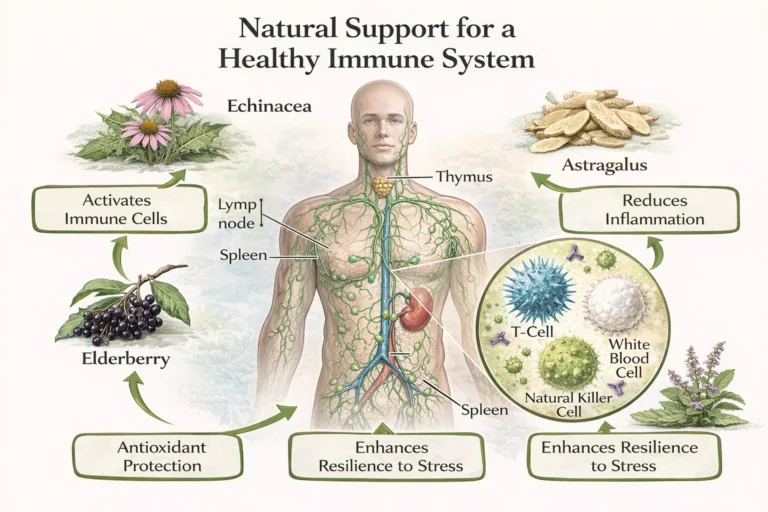
Mint contains natural antioxidants that help protect the body against oxidative stress. These compounds support the immune system and help reduce inflammation at a cellular level. Regular consumption of antioxidant-rich herbs like mint may contribute to overall health and long-term wellness when combined with a balanced lifestyle.
Is Mint Safe for Daily Use?
For most healthy adults, mint is safe when consumed in moderate amounts. Drinking one to two cups of mint tea per day is generally well tolerated. However, excessive use of peppermint oil or concentrated supplements should be avoided, as they may cause irritation or digestive discomfort.
People with acid reflux may notice that mint worsens their symptoms, and pregnant women or individuals with medical conditions should consult a healthcare professional before using concentrated mint products.
How to Add Mint to Your Daily Routine
Mint can be easily incorporated into daily life in simple and enjoyable ways. Drinking mint tea is one of the easiest methods, while adding fresh mint leaves to salads, smoothies, or infused water offers both flavor and health benefits. Peppermint oil can be used aromatically for focus or relaxation, and high-quality supplements may be useful for targeted digestive support when needed.
Final Thoughts: Why Mint Deserves a Place in Your Wellness Routine
Mint is more than just a refreshing herb. It offers real benefits for digestion, energy, stress relief, and respiratory comfort. Its versatility, safety, and proven effectiveness make it an excellent addition to a natural wellness routine. Whether consumed as tea, used aromatically, or taken as a supplement, mint provides gentle and reliable support for everyday health.
In the next articles, we’ll explore chamomile, ginger, turmeric, and other powerful herbs to help you build a complete and balanced natural wellness lifestyle.